
I was in the middle of a Sunday brunch raid when I realized my cornbread had turned into a soggy, flavorless pancake. I stared at the skillet, heart sinking, and whispered, “I dare you to taste this and not go back for seconds.” That moment of culinary humiliation sparked a mission: to create a cornbread so glorious it would make even the most skeptical food critic swoon. The next day I hit the pantry, grabbed every staple I could find, and decided the only way to fix my mistake was to cook it in a cast‑iron skillet, the kitchen’s oldest, most reliable hero.
Picture the scene: a heavy, preheated skillet sizzling as I pour a golden batter into its belly. The aroma is a comforting blend of sweet corn, buttery richness, and a hint of vanilla, while the sound is a satisfying hiss that announces the start of something epic. The batter glides onto the metal, spreading into a glossy, thick sheet that promises a crisp crust and a tender crumb. The heat radiates through the pan, creating a micro‑oven that locks in moisture while caramelizing the edges. I can almost taste the buttery crunch as it sets, a texture that makes each bite feel like a secret handshake between the skillet and the batter.
What makes this version stand out is not just the technique but the deliberate balance of flavors and textures. I’ve stripped away the clutter of unnecessary ingredients, letting the corn and butter take center stage. The result is a cornbread that sings with a sweet‑savory harmony, a crust that shatters like thin ice under a fork, and a crumb that melts in your mouth like a velvety blanket. Most recipes get this completely wrong by over‑baking or using the wrong flour blend, but I’ve perfected the sweet spot that makes it hands down the best version you’ll ever make at home.
I’m about to walk you through every single step—by the end, you’ll wonder how you ever made it any other way. And trust me, if you’ve ever struggled with this, you’re not alone—this is the fix you’ve been waiting for. Picture yourself pulling this out of the oven, the whole kitchen smelling incredible, and the first bite delivering a burst of golden corn, a hint of maple, and a buttery finish that lingers. Ready? Let’s dive in.
What Makes This Version Stand Out
The secret sauce isn’t just in the ingredients; it’s in the method, the equipment, and the little details that elevate a simple cornbread into a masterpiece.
- Flavor: A subtle sweetness from honey and a savory depth from butter create a complex profile that dances on the palate.
- Texture: The crust is crisp and caramelized, while the interior remains moist and tender—like a perfectly baked loaf that’s also a crunchy snack.
- Ease: No fancy gadgets or obscure ingredients—just pantry staples and a trusty cast‑iron skillet.
- Versatility: Works beautifully with a range of toppings, from cheddar to jalapeño, making it a canvas for creative twists.
- Crowd‑pleaser: Whether it’s a family dinner or a potluck, this cornbread commands attention and earns compliments.
- Ingredient Quality: Using fresh, high‑quality butter and whole‑milk gives depth that processed substitutes can’t match.
- Method: The cast‑iron skillet locks in heat, producing a golden crust in a fraction of the time other methods require.
- Make‑ahead Potential: Bake it, cool, slice, and reheat in a skillet or oven—freshness stays intact.
Alright, let’s break down exactly what goes into this masterpiece…
Inside the Ingredient List
Every ingredient in this recipe has a purpose. Let’s dive into why each one matters and what happens if you skip it.
The Flavor Base
All‑purpose flour is the backbone of the batter. It provides structure and helps the cornbread rise. If you replace it with whole wheat flour, you’ll get a denser crumb and a nuttier flavor, which can be delightful but changes the expected texture. For a lighter bite, a mix of half flour and half cornstarch works wonders.
The Sweet Layer
Honey is the sweetener of choice. It adds a natural, floral sweetness that complements the corn. Swapping honey for brown sugar will give a deeper molasses note, while maple syrup introduces a subtle woody undertone. If you’re avoiding sugar entirely, a dash of vanilla extract can provide a hint of sweetness without the calories.
The Texture Crew
Whole milk brings moisture and richness, but you can use buttermilk for a tangy twist that also reacts with baking powder to lift the batter. If you’re lactose intolerant, oat milk or soy milk are excellent alternatives, though the flavor profile shifts slightly. The melted butter is essential for a buttery crust; using margarine or oil will produce a different mouthfeel and can result in a drier crumb.
The Unexpected Star
Cornmeal is the star that gives the cornbread its distinct corn flavor and gritty texture. If you use fine cornmeal, the crumb becomes smoother, whereas coarse cornmeal offers a rustic, chewy bite. A handful of fresh corn kernels adds bursts of sweetness and a pop of color that makes the dish visually stunning.
The Final Flourish
Baking powder is the leavening agent that gives the cornbread lift. Too much, and the batter will rise rapidly then collapse; too little, and it will be flat and dense. A pinch of salt balances the sweetness and enhances every other flavor. A dash of cinnamon or nutmeg can add warmth, but keep it subtle to preserve the corn’s prominence.
Everything’s prepped? Good. Let’s get into the real action…
The Method — Step by Step
Follow these steps closely, and you’ll get a cornbread that’s the envy of every kitchen.
- Preheat your oven to 425°F (220°C). Place a 10‑inch cast‑iron skillet on the middle rack and let it heat for 5 minutes. The skillet should be hot enough that a drop of water sizzles and evaporates almost instantly. This step is crucial for a crisp crust.
- While the skillet heats, whisk together 2 cups all‑purpose flour, 1 cup yellow cornmeal, 1/4 cup white sugar, 1 tablespoon baking powder, and 1 teaspoon salt in a large bowl. The dry mix should be smooth, with no lumps. This dry foundation sets the stage for the batter’s structure.
- In a separate bowl, whisk 1 cup whole milk, 1 egg, 1/4 cup melted butter, and 1 tablespoon honey until the mixture is uniform. The wet ingredients must be smooth; any clumps can affect the batter’s consistency.
- Pour the wet mixture into the dry ingredients. Stir gently with a wooden spoon or silicone spatula until just combined. Over‑mixing will develop gluten and produce a tough crumb. The batter should be thick but pourable.
- Add 1/2 cup fresh corn kernels if you’re using them. This step is optional but adds texture and bursts of sweetness. Fold them in gently.
- Add a splash of milk if the batter feels too thick; it should coat the back of a spoon but not be runny. This ensures a moist interior.
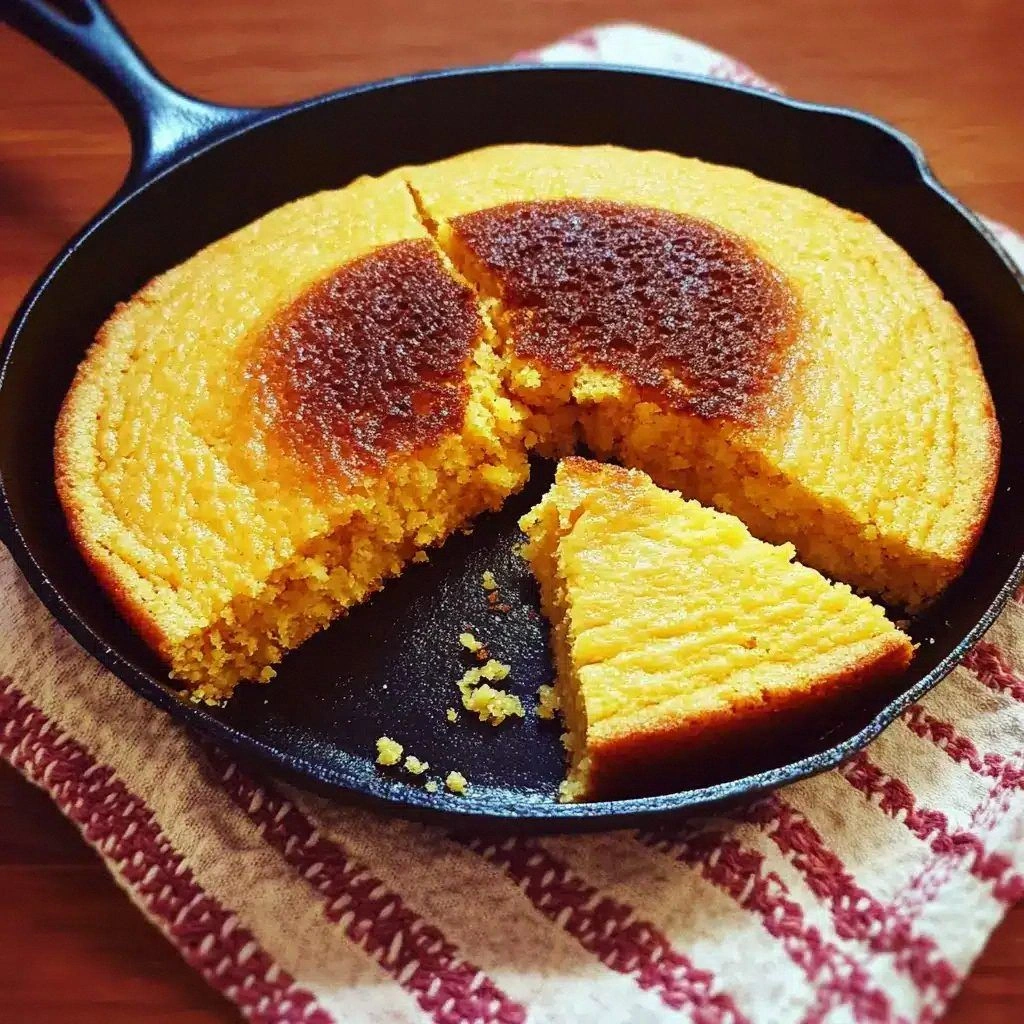
- Remove the preheated skillet from the oven. Brush the inside with a little melted butter or oil to prevent sticking. Pour the batter into the skillet, spreading it evenly with a spatula. The batter should reach the edges.
- Return the skillet to the oven and bake for 20–25 minutes. The top should be golden brown, and a toothpick inserted into the center should come out clean. The edges will start pulling away, signaling that the cornbread is ready.
- Remove from the oven and let it cool in the skillet for 5 minutes. The residual heat will finish the baking and lock in moisture. Then slide the cornbread onto a cutting board and allow it to cool completely before slicing.
- Serve warm with a pat of butter or a drizzle of maple syrup. For a savory twist, top with a sprinkle of cheddar cheese and return to the oven for 2 minutes until melted.
That’s it— you did it. But hold on, I’ve got a few more tricks that’ll take this to another level. These are the subtle adjustments that separate a good cornbread from an unforgettable one.
Insider Tricks for Flawless Results
Even seasoned cooks can trip up on these tiny details. Here are my go‑to tips that guarantee perfection.
The Temperature Rule Nobody Follows
Many people bake at 375°F, but 425°F is the sweet spot for a crisp crust. The high heat caramelizes the sugars quickly, creating a golden top while keeping the interior moist. If you’re using a different oven, preheat the skillet on the stove for a few minutes to mimic this effect.
Why Your Nose Knows Best
Smell the batter as it bakes. A faint, buttery aroma indicates the butter is properly melted and the batter is cooking evenly. If it smells more like raw milk, the oven is too cool, and the cornbread will be soggy.
The 5‑Minute Rest That Changes Everything
Let the cornbread sit in the skillet for 5 minutes after baking. This rest period allows the steam to redistribute, making the crumb tender and the crust crisp. Skipping this step often results in a dry interior.
Don’t Forget the Butter Brush
Brushing the skillet with butter before pouring the batter reduces sticking and adds a subtle buttery flavor to the crust. A light coat is enough—too much will make the top greasy.
Use a Cast‑Iron Skillet, Not a Pan
The heavy, even heat of cast iron is essential for a uniform bake. A non‑stick skillet might produce a softer crust, while a steel pan can scorch the edges. Stick with cast iron for the best results.
Creative Twists and Variations
This recipe is a playground. Here are some of my favorite ways to switch things up:
Cheddar & Jalapeño Crunch
Fold in 1 cup shredded sharp cheddar and 1 diced jalapeño before baking. The cheese melts into gooey pockets, while the jalapeño adds a spicy kick that balances the sweetness.
Maple‑Glazed Cornbread
Swap honey for 2 tablespoons of pure maple syrup and brush the top with an extra tablespoon before baking. The result is a glossy, caramelized crust with a deep maple flavor.
Savory Herb Infusion
Add 1 tablespoon chopped fresh thyme or rosemary to the batter. The herbs infuse the cornbread with aromatic depth, making it a perfect side for roasted meats.
Chocolate‑Chip Surprise
Stir in 1/2 cup mini chocolate chips for a sweet, chocolate‑laden version. The chips melt into pockets of chocolate, creating a dessert‑like cornbread that’s irresistible.
Buttermilk Brunch Blend
Replace whole milk with buttermilk and add a teaspoon of baking soda. The acidic reaction creates a lighter crumb, ideal for a brunch spread with eggs and sausage.
Roasted Pepper & Feta Fusion
Mix in 1/2 cup roasted red pepper strips and 1/2 cup crumbled feta. The smoky pepper and salty feta give a Mediterranean twist that pairs beautifully with tomato salsa.
Storing and Bringing It Back to Life
Fridge Storage
Cool the cornbread completely, then wrap tightly in plastic wrap and store in the refrigerator for up to 3 days. The crust will soften slightly, but the crumb remains moist.
Freezer Friendly
Slice the cornbread before freezing. Wrap each slice in parchment paper and place in a freezer bag. It can stay fresh for up to 2 months. Reheat in a toaster oven for a crisp finish.
Best Reheating Method
Add a tiny splash of water to the skillet, cover with foil, and heat over medium for 5 minutes. The steam rehydrates the crumb, restoring that fresh‑baked feel.