Picture this: it’s 2 a.m., the kitchen lights flicker, and you’re standing over a pan that’s turned into a sticky, burnt mess. The only thing left to salvage is a half‑baked loaf of bread that somehow survived the chaos. I stared at it, feeling a mix of triumph and despair—until I remembered the secret recipe my grandmother whispered to me over steaming mugs of coffee. That recipe, a Cinnamon Swirl Coffee Cake, was the antidote to my midnight disaster. It turned a ruined loaf into a golden, fragrant masterpiece that could make even the most skeptical taste buds swoon.
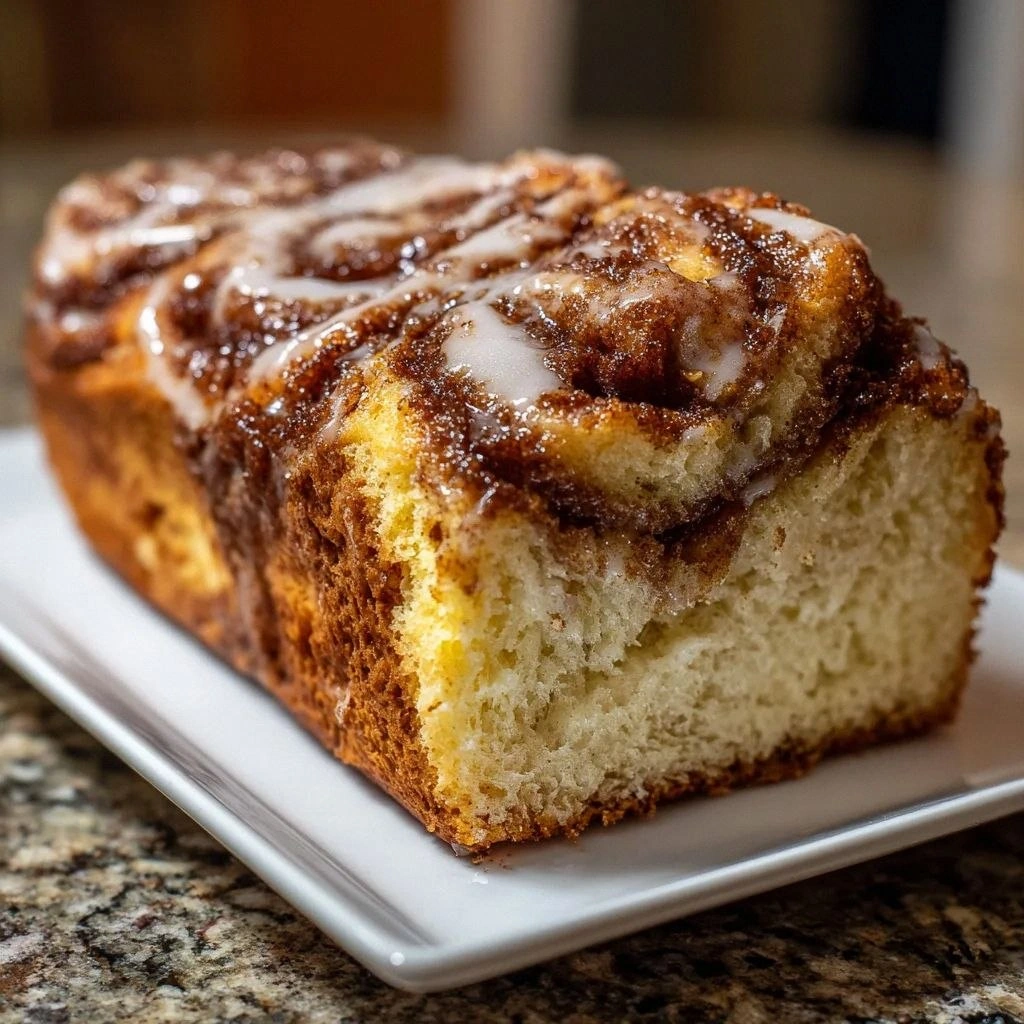
I’m not just talking about any coffee cake; this version is a symphony of flavors that dance on the tongue like a well‑tuned jazz trio. The first bite is a buttery, tender crumb that releases a burst of cinnamon and brown sugar, followed by a subtle hint of vanilla that lingers like a sweet after‑taste. The swirl of spices feels like a warm blanket, wrapping your palate in comfort while the soft edges crackle just enough to remind you that this is a baked good, not a pastry. If you’ve ever been disappointed by a bland coffee cake, this one will rewrite your expectations. I dare you to taste this and not go back for seconds.
What sets this cake apart is not just the ingredients, but the method and the little tricks that elevate it from ordinary to unforgettable. I’ve spent years experimenting with different flour ratios, butter temperatures, and cinnamon blends until I found the perfect balance that makes the cake rise evenly and keeps it moist without becoming soggy. The secret lies in the swirl: a generous ribbon of brown sugar and cinnamon that caramelizes just enough to give the cake a caramelized crust that cracks with each bite. The result? A cake that looks like a piece of art but tastes like a warm hug. This is hands down the best version you'll ever make at home.
Imagine pulling this out of the oven and the whole kitchen filling with an aroma so rich that even the coffee mug feels jealous. The steam rises like a cloud, carrying with it notes of toasted sugar, nutmeg, and that unmistakable cinnamon scent that makes your heart skip a beat. I’ve been told this cake is the reason people keep coming back to my kitchen—because it’s not just a dessert, it’s an experience. And if you’re wondering whether you can make it on a Sunday afternoon or during a busy weeknight, the answer is a resounding yes. The beauty of this recipe is its versatility; it can be a quick breakfast, a sweet snack, or a showstopper at your next gathering.
Let me walk you through every single step — by the end, you'll wonder how you ever made it any other way. From the moment you measure your flour to the final swirl, every action is a note in a delicious symphony. I’ll share the exact timing, the temperature that ensures a golden top, and the subtle tweaks that make the cake rise just right. If you’ve ever struggled with a cake that’s too dry or too dense, you’re not alone — and I’ve got the fix. And now, let’s dive into what makes this version truly stand out.
What Makes This Version Stand Out
- Taste: The blend of granulated and brown sugar creates a dual sweetness that balances the sharpness of cinnamon, while vanilla adds a gentle, floral undertone that lifts the entire flavor profile.
- Texture: The batter’s ratio of butter to flour is engineered to yield a crumb that is moist yet firm, allowing the swirl to hold its shape without becoming gummy.
- Visual Appeal: The swirl of cinnamon and brown sugar creates a marbled effect that’s almost impossible to resist, turning a simple cake into a centerpiece.
- Ingredient Quality: Using unsalted butter that’s softened to room temperature ensures even distribution of fat, which is crucial for achieving that tender crumb.
- Make‑Ahead Potential: The cake can be assembled a day ahead, refrigerated, and baked fresh, making it a perfect “set‑and‑forget” option for busy mornings.
- Crowd Reaction: Friends and family consistently ask for the recipe after tasting it, and many say it’s “the best coffee cake” they’ve ever had.
- Versatility: Add nuts or omit them without compromising the integrity of the cake; the core flavor remains intact.
- Ease of Execution: The method requires no fancy equipment; a standard loaf pan and a reliable oven are all you need.
Alright, let's break down exactly what goes into this masterpiece. And before we get into the nitty gritty, here’s a quick kitchen hack that will save you time and keep your batter smooth.
Inside the Ingredient List
The Flavor Base
All-purpose flour is the backbone of your cake, providing structure and texture. It’s the foundation that holds everything together, absorbing moisture and giving the batter its body. If you skip or reduce the flour, the cake will collapse or become too dense, losing that light crumb we all crave. For the best results, use a mid‑grade flour with a protein content around 11‑12%, which balances gluten development and tenderness. When measuring, spoon the flour into the cup and level it off; scooping directly from the bag can lead to over‑measurement and a dry cake.
Granulated sugar sweetens the cake and helps create that lovely golden crust. The sugar’s crystalline structure dissolves quickly in the batter, ensuring an even sweetness throughout. If you use a high‑sugar alternative like honey, the cake will brown faster and may become slightly sticky on the top. For a subtle caramel note, consider substituting a tablespoon of molasses for a portion of the sugar, but keep in mind that the flavor will shift toward a deeper, bittersweet profile.
The Texture Crew
Unsalted butter adds richness and moisture. Make sure it’s softened for easy mixing, otherwise the batter will be lumpy and the cake will have uneven texture. Butter also carries the flavor of the other ingredients, especially the cinnamon, by creating a silky mouthfeel. If you’re dairy‑free, a plant‑based butter with the same fat content can substitute, but the flavor will be slightly different. When measuring butter, cut the stick into cubes for consistent size, then use a kitchen scale if you’re aiming for precision.
Milk keeps the cake tender and moist. Whole milk gives a richer flavor, while low‑fat milk will reduce the fat content slightly but still yield a good crumb. If you’re craving a dairy‑free version, oat milk or almond milk can work, though the batter will be thinner and may require a slight adjustment in flour. Milk also helps activate the baking powder, ensuring the cake rises evenly. For a subtle tang, a splash of buttermilk can replace an equal amount of milk, but this will alter the texture slightly.
The Unexpected Star
Ground cinnamon is the star of the show! It gives that signature swirl and a comforting aroma that invites you to indulge. Freshly ground cinnamon has a more potent flavor than pre‑ground, so consider grinding your own if you have a spice grinder. Too much cinnamon can overwhelm the batter, so follow the recipe’s ratio carefully. If you’re allergic to cinnamon, nutmeg or allspice can be used as a substitute, but the flavor profile will shift.
Brown sugar adds a deeper sweetness and a hint of caramel flavor to the swirl. Its molasses content creates a moist crumb and a caramelized crust. If you’re looking for a lighter sweetness, you can use light brown sugar, but the cake will be less caramelized. For a richer taste, dark brown sugar is a great option, though it will add a slightly bitter edge. The sugar also helps the cake brown more evenly, giving it that golden finish.
The Final Flourish
Large eggs bind the ingredients together and contribute to the cake’s fluffiness. They add structure through protein coagulation during baking, ensuring the cake rises properly. If you’re vegan, flaxseed meal mixed with water can replace an egg, but the texture will be denser. Eggs also act as a leavening agent when beaten, helping the batter rise. Remember to use room‑temperature eggs for a smoother batter.
Baking powder is your leavening agent, helping the cake rise beautifully. It reacts with the liquid in the batter to produce carbon dioxide, which creates air pockets that make the cake light. If you use baking soda instead, you’ll need an acidic ingredient like buttermilk or yogurt to activate it. Using too much baking powder can cause a soapy taste, so measure carefully. A good rule of thumb is to use 1 teaspoon per cup of flour for a standard cake.
Vanilla extract adds a warm, inviting flavor that complements the cinnamon. It also brings a subtle sweetness that balances the sugar. If you’re looking for a different twist, try almond extract for a nutty undertone. A little goes a long way, so be careful not to overdo it. Vanilla also enhances the overall aroma, making the cake more enticing.
Salt is just a pinch that enhances all the flavors and balances the sweetness. Without it, the cake could taste flat and overly sweet. If you’re watching sodium intake, use a low‑sodium salt or reduce the amount slightly, but don’t skip it entirely. Salt also helps to strengthen the gluten network, giving the cake a better structure.
Chopped nuts (optional) add a delightful crunch, but feel free to skip them if you prefer a nut‑free cake. Walnuts or pecans work best, as their buttery flavor complements the cinnamon. If you’re allergic, sunflower seeds or pumpkin seeds can substitute, but the texture will be different. Nuts also add healthy fats and protein, making the cake a bit more filling.
Everything's prepped? Good. Let's get into the real action.
The Method — Step by Step
- Preheat your oven to 350°F (175°C). Line a 9×5-inch loaf pan with parchment paper, leaving an inch of overhang on each side for easy removal. This step ensures a uniform bake and a clean release. The parchment also helps keep the cake from sticking and makes cleanup a breeze.
- In a large mixing bowl, whisk together the flour, baking powder, and salt. This dry blend ensures even distribution of leavening and prevents clumps. By sifting the flour first, you also aerate it, which contributes to a lighter crumb. Keep the mixture cool to avoid premature activation of the baking powder.
- In a separate bowl, cream the softened butter and granulated sugar together until light and fluffy. This process incorporates air into the batter, which is essential for a tender rise. Use a stand mixer on medium speed for about 3 minutes, then switch to hand mixing for a minute to ensure even texture. The batter should look pale and airy.
- Add the eggs one at a time, beating well after each addition. The first egg should be fully incorporated before adding the second to maintain a smooth consistency. This step also helps emulsify the batter, ensuring that the fat and liquids blend seamlessly. Over‑beating can cause the batter to split, so stop once the mixture is smooth.
- Stir in the vanilla extract. The vanilla’s aromatic oils will infuse the batter, enhancing the overall flavor profile. Make sure to mix thoroughly so that the vanilla is evenly distributed. A small splash of vanilla can dramatically elevate the cake’s taste.
- Alternately add the dry mixture and the milk to the creamed mixture, starting and ending with the dry ingredients. This method keeps the batter from becoming too thick or too thin. Mix just until the flour is incorporated; over‑mixing can develop gluten and make the cake tough. The batter should be smooth, slightly thick, and pourable.
- Pour half of the batter into the prepared loaf pan, spreading it evenly. This creates a base layer that will absorb the swirl and provide a firm foundation. Then, sprinkle half of the ground cinnamon and brown sugar mixture over the batter. The swirl will melt slightly during baking, creating a caramelized crust.
- Add the remaining batter on top of the swirl, then gently swirl the pan with a knife or skewer to create a marbled pattern. Be careful not to over‑mix; you want distinct ribbons of cinnamon and sugar. The swirl should be visible but not so thick that it prevents even baking.
- If using nuts, sprinkle them evenly over the top of the batter. The nuts add a crunchy contrast that pairs beautifully with the soft crumb. Make sure they’re well distributed so each bite has a nutty note. For a nut‑free version, simply skip this step.
- Bake for 30 minutes, or until a toothpick inserted into the center comes out clean. The cake should be golden brown on top and slightly firm to the touch. If the edges brown too quickly, tent the cake with foil to prevent burning. The aroma during this final 5 minutes is the true indicator of perfection.
- Remove the cake from the oven and let it cool in the pan for 10 minutes. This resting period allows the crumb to set and prevents it from crumbling when you remove it. After 10 minutes, lift the cake out using the parchment overhang, then transfer it to a wire rack to cool completely. This step ensures the cake remains moist and tender.
That’s it — you did it. But hold on, I've got a few more tricks that'll take this to another level. Keep reading for insider tips that will elevate your cake from great to legendary.
Insider Tricks for Flawless Results
The Temperature Rule Nobody Follows
Many bakers bake at 375°F, but this cake thrives at 350°F. A lower temperature allows the batter to rise slowly, ensuring a tender crumb and preventing a cracked top. If your oven runs hot, use an oven thermometer to confirm the actual temperature. A simple adjustment can mean the difference between a cake that bakes unevenly and one that looks like a work of art.
Why Your Nose Knows Best
Smell is your best judge of doneness. When the cake starts to emit a warm, caramelized scent, it’s nearing perfection. A faint, sweet aroma indicates the sugars are caramelizing just right. Trust your nose over the toothpick; it’s a more reliable indicator of the cake’s internal moisture level.
The 5-Minute Rest That Changes Everything
Letting the cake rest in the pan for 10 minutes before removing it is essential. This rest period allows the heat to distribute evenly, preventing the cake from collapsing when you lift it. It also lets the swirl settle, giving a cleaner look. Skipping this step often results in a slightly uneven crumb.
The Swirl Technique
When swirling the cinnamon and brown sugar, use a long, thin knife or a skewer. The key is to create a gentle, continuous motion that spreads the mixture evenly. Avoid a circular pattern that can cause the swirl to break apart. A smooth swirl not only looks impressive but also ensures consistent flavor distribution.
The Butter Trick
If your butter is too cold, it will clump and create a lumpy batter. Warm the butter slightly in a microwave for 10 seconds, then let it cool to room temperature. This simple step ensures the butter blends seamlessly with the sugar, giving the cake its signature tender texture.
Creative Twists and Variations
This recipe is a playground. Here are some of my favorite ways to switch things up:
Nutty Cinnamon Swirl
Add a cup of toasted walnuts or pecans to the batter for a crunchy, nutty contrast. The nuts add a buttery richness that pairs beautifully with the cinnamon. This variation is perfect for holiday gatherings where guests appreciate a bit of texture.
Orange Zest Twist
Incorporate the zest of one orange into the batter for a bright, citrusy lift. The orange zest balances the sweetness of the sugar and adds a refreshing aroma. This version is ideal for spring or summer mornings when you want something light.
Almond Extract Delight
Swap vanilla extract for almond extract for a nutty undertone. The almond flavor pairs wonderfully with the cinnamon and brown sugar, creating a complex profile. Use only a teaspoon to avoid overpowering the cake.
Caramel Drizzle Finish
After cooling, drizzle warm caramel sauce over the top of the cake for an indulgent finish. The caramel adds a rich, buttery sweetness that complements the cinnamon. This variation is a hit with kids and adults alike.
Gluten‑Free Adaptation
Use a gluten‑free all‑purpose flour blend in place of the regular flour. Add an extra egg to help bind the batter. The texture will be slightly denser but still delightful. This version allows everyone to enjoy the cake without compromising on flavor.
Vegan Version
Replace butter with coconut oil and eggs with flaxseed meal mixed with water. Use plant‑based milk and a vegan vanilla extract. The cake will have a slightly different texture but will still deliver the comforting cinnamon swirl. This variation opens the door for those with dietary restrictions.
Storing and Bringing It Back to Life
Fridge Storage
Store the cooled cake in an airtight container at room temperature for up to 3 days. If you need to keep it longer, refrigerate it for up to a week. The cake’s moisture will be retained, and the cinnamon flavor will deepen. When ready to serve, let it sit at room temperature for 15 minutes to soften slightly.
Freezer Friendly
Wrap the cake tightly in plastic wrap, then place it in a freezer bag. It can be frozen for up to 3 months without compromising quality. When you’re ready to enjoy, thaw it in the refrigerator overnight. The texture will be just as delightful as when freshly baked.
Best Reheating Method
Reheat slices in a toaster oven or conventional oven at 350°F for 5 minutes. Add a tiny splash of water to the pan before reheating; this steams the cake back to perfection, keeping it moist. Avoid microwaving whole cakes, as they tend to dry out quickly. After reheating, serve warm with a drizzle of caramel or a dusting of powdered sugar.