for main sections, for subsections. Use
for paragraphs. Also we need to include the mid-article image after "Inside the Ingredient List" section. We need to ensure each section has correct order. We need to insert Kitchen Hack boxes after "What Makes This Version Stand Out" section, after "Inside the Ingredient List" section, after "The Method" steps (maybe after step 5), after "Insider Tricks" top tip, etc. Let's plan structure: Introduction: 3-4 paragraphs (~400 words). We'll write 4 paragraphs each 4-6 sentences. That's about 4*4=16 sentences, 16*15=240 words. Need 400 words. So maybe 6 paragraphs? Let's do 6 paragraphs. 6*4=24 sentences. 24*15=360 words. Slightly less. We can add 2 more sentences somewhere. We'll produce 6 paragraphs. Then
What Makes This Version Stand Out
~300 words. We'll write 8 bullet points with Keyword: and explanation. Each bullet maybe 3-4 sentences. 8*3=24 sentences. 24*15=360 words. Good. Insert Kitchen Hack box after this section. ThenInside the Ingredient List
~500 words. We'll create 4 h3 groups, each with 3-4 sentences. 4*3=12 sentences. 12*15=180. Need 500 words. We'll add more text around. We'll add 2-3 paragraphs before or after. We'll also include a Fun Fact box about chickpeas. We'll add at least one. Then mid-article image. ThenThe Method — Step by Step
~600 words. We'll have 10 steps, each 4-6 sentences. 10*4=40 sentences. 40*15=600 words. Good. Insert 1-2 Kitchen Hack boxes at crucial steps, and 1 Watch Out box at tricky step. ThenInsider Tricks for Flawless Results
~400 words. 5-6 tips each 3-5 sentences. 6*3=18 sentences. 18*15=270. Need 400. We'll add extra sentences. Insert Kitchen Hack box for top tip. ThenCreative Twists and Variations
~350 words. 5-6 variations each 3-4 sentences. 6*3=18 sentences. 18*15=270. Need 350. We'll add extra sentences. ThenStoring and Bringing It Back to Life
~250 words. 3 subsections each 3-4 sentences. 3*3=9 sentences. 9*15=135. Need 250. Add extra. Then recipe card. Then hidden elements. We must also ensure we don't include any extra elements outside these. But we can wrap entire content in a- .
We'll also need to include FAQ items. We'll write 6 FAQ items.
Now we need to ensure the entire output is raw HTML, no markdown.
We also need to ensure we don't include any extra spaces or newlines that might break. But that's fine.
We also need to ensure we don't use any emojis. No emojis.
Also we need to include the Pinterest description 400-450 characters. Let's craft: "Crispy, savory chickpea veggie burgers packed with roasted carrot, onion, and aromatic spices. Each bite delivers a satisfying crunch, a burst of umami from tomato paste and soy, and a bright citrus lift. Perfect for a plant‑based dinner that feels indulgent, this recipe turns pantry staples into a gourmet sensation you’ll share with friends." Let's count characters. Count: "Crispy, savory chickpea veggie burgers packed with roasted carrot, onion, and aromatic spices. Each bite delivers a satisfying crunch, a burst of umami from tomato paste and soy, and a bright citrus lift. Perfect for a plant‑based dinner that feels indulgent, this recipe turns pantry staples into a gourmet sensation you’ll share with friends." Let's count: I'll approximate. We'll need 400-450 characters. Let's count:
C (1) r2 i3 s4 p5 y6 ,7 s8 a9 v10 o11 r12 y13 c14 h15 i16 c17 k18 p19 e20 a21 v22 e23 g24 g25 i26 e27 b28 u29 r30 g31 e32 r33 s34 p35 a36 c37 k38 e39 d40 w41 i42 t43 h44 r45 o46 s47 t48 e49 d50 c51 a52 r53 r54 o55 t56 ,57 o58 n59 i60 o61 n62 ,63 a64 n65 d66 a67 r68 o69 m70 a71 t73 i74 c75 s76 p77 i78 c79 e80 s81 .82 E83 a84 c85 h86 b87 i88 t89 e90 d91 e92 l93 i94 v95 e96 r97 s98 a99 s100 a101 t102 i103 f104 i105 n106 g107 c108 r109 u110 n111 c112 h113 ,114 a115 b116 u117 r118 s119 t120 o121 f122 u123 m124 a125 m126 i127 f128 r129 o130 m131 t132 o133 m134 a135 t136 o137 p138 a139 s140 t141 e142 a143 n144 d145 s146 o147 y148 ,149 a150 n151 d152 a153 b154 r155 i156 i157 g158 h159 t160 c161 i162 u163 t164 i165 s166 l167 i168 f169 t170 .171 P172 e173 r174 f175 e176 c177 t178 f179 o180 r181 a182 p183 l184 a185 n186 t187 ‑188 b189 a190 s191 e192 d193 d194 i195 n196 n197 e198 r199 t200 h201 a202 t203 f204 e205 e206 l207 s208 i209 n210 d211 u212 l213 g214 e215 n216 d217 ,218 t219 h220 i221 s222 r223 e224 c225 i226 p227 e228 t229 u230 r231 n232 s233 p234 a235 n236 t237 r238 y239 s240 t241 a242 p243 l244 e245 s246 i247 n248 t249 o250 g251 e252 m253 o254 r255 e256 s257 a258 n269 s270 a271 t272 i273 o274 n275 y276 u277 ’278 l279 l280 s281 h282 a283 r284 e285 w286 i287 t288 h289 f290 r291 i292 e293 n294 d295 s296 .297
That's 297 characters. Need 400-450. Let's add more details: "With a hint of smoky paprika and a touch of lemon zest, these burgers melt in your mouth, leaving a lingering savory aftertaste that pairs perfectly with a fresh green salad or a spicy aioli." Add that. Count additional characters: "With a hint of smoky paprika and a touch of lemon zest, these burgers melt in your mouth, leaving a lingering savory aftertaste that pairs perfectly with a fresh green salad or a spicy aioli." Let's count: W1 i2 t3 h4 a5 h6 i7 n8 t9 o10 f11 s12 m13 o14 k15 y16 p17 a18 r19 a20 k21 i22 a23 a24 n25 d26 a27 t28 o29 u30 c31 h32 o33 f34 l35 e36 m37 o38 n39 z40 e41 s42 t43 ,44 t45 h46 e47 s48 e49 b50 u51 r52 g53 e54 r55 s56 m57 e58 l59 t60 i61 n62 y63 o64 u65 r66 m67 o68 u69 n70 t71 ,72 l73 e74 a75 v76 i77 n78 g79 a80 l81 i82 n83 g84 e85 r86 i87 n88 g89 s90 a91 v92 a93 r94 y95 a96 f97 t98 e99 r100 t101 a102 s103 e104 t105 h106 a107 t108 p109 a110 i111 r112 s113 p114 e115 r116 f117 e118 c119 t120 l121 y122 w123 i124 t125 h126 a127 f128 r129 e130 s131 h132 g133 r134 e135 e136 n137 s138 a139 l140 a141 d142 o143 r144 a145 s146 p147 i148 c149 y150 a151 i152 o153 l154 i155 .156
156 characters. Adding 156 to 297 = 453. Slightly over 450. We need 400-450. Let's remove some part: maybe remove "with a hint of smoky paprika and a touch of lemon zest" to reduce. Let's recalc: Remove that phrase. Let's keep "These burgers melt in your mouth, leaving a lingering savory aftertaste that pairs perfectly with a fresh green salad or a spicy aioli." Count: "These burgers melt in your mouth, leaving a lingering savory aftertaste that pairs perfectly with a fresh green salad or a spicy aioli."
Count: T1 h2 e3 s4 e5 b6 u7 r8 g9 e10 r11 s12 m13 e14 l15 t16 i17 n18 y19 o20 u21 r22 m23 o24 u25 n26 t27 ,28 l29 e30 a31 v32 i33 n34 g35 a36 l37 i38 n39 g40 e41 r42 i43 n44 g45 s46 a47 v48 a49 r50 y51 a52 f53 t54 e55 r56 t57 a58 s59 e60 t61 h62 a63 t64 p65 a66 i67 r68 s69 p70 e71 r72 f73 e74 c75 t76 l77 y78 w79 i80 t81 h82 a83 f84 r85 e86 s87 h88 g89 r90 e91 e92 n93 s94 a95 l96 a97 d98 o99 r100 a101 s102 p103 i104 c105 y106 a107 i108 o109 l110 i111 .112
112 characters. Add to 297 = 409 characters. Good within 400-450.
Now we need to include the hidden elements.
Now we need to ensure the recipe card directions match the steps we write earlier. We'll need to list 10 steps.
Let's write the steps:
1. Rinse and drain chickpeas. Transfer to bowl.
2. Add oats, carrot, onion, garlic, parsley, cumin, paprika, salt, pepper, olive oil, egg, breadcrumbs, tomato paste, lemon juice, soy sauce, whole wheat flour, nutritional yeast. Pulse until mixture holds together.
3. Let mixture rest 10 minutes.
4. Heat a skillet with a splash of oil, add a spoonful of mixture, press into patty, cook 3-4 minutes per side.
5. While patties rest, prepare buns: slice whole grain buns, toast lightly.
6. Assemble: spread mayo or aioli on buns, place patty, add lettuce, tomato, pickles.
7. Optional: sprinkle extra nutritional yeast on patties before cooking for extra umami.
8. Serve immediately with side of roasted sweet potatoes or coleslaw.
9. For leftovers, store in fridge up to 3 days; reheat in skillet.
10. Enjoy.
But we need 10 steps each 4-6 sentences. We'll elaborate.
We'll include kitchen hacks and watch out boxes.
Now we need to ensure the recipe card's ingredients list matches the steps. We'll use the same ingredient names.
We also need to include the recipe card directions step list. We'll fill with the steps.
Also we need to include 5-6 FAQ items inside recipe card accordion. We'll write:
- Can I make these burgers vegan? yes, replace egg with flaxseed.
- Can I freeze the patties? yes, freeze before cooking.
- How to keep patties from falling apart? add breadcrumbs and rest time.
- Can I use canned chickpeas? yes, but drain thoroughly.
- What if I don't have rolled oats? use cornmeal.
- How to adjust for spice level? add cayenne.
Now we need to ensure the recipe card's ingredient list includes each ingredient with data-base-qty. We'll also need to add the ingredient quantity as . We'll include the ingredient names. We'll use
- with data-base-qty attribute. We'll also include a checkbox.
We'll need to ensure the ingredient names match exactly: "Chickpeas, drained and rinsed" etc. We'll use the same.
Now we need to ensure we don't exceed 3000 words. We'll produce ~3500 words. We'll count approximate words: 6 paragraphs intro (360), 8 bullets (360), 4 h3 groups plus text (500), mid image, 10 steps (600), 6 tips (400), 6 variations (350), storage (250), recipe card (not counted as words maybe, but it's part of content). That sums to about 3000. Good.
Now we need to ensure we don't include any emojis.
Now we need to ensure we use Bootstrap 5 classes for spacing. We'll add classes like "mb-3", "mt-4", etc.
Let's start writing.
We'll wrap the whole content in a maybe. But not necessary. We'll produce raw HTML. Let's start:
... introduction paragraphs ...
ThenWhat Makes This Version Stand Out
etc. We'll include highlight boxes. We need to include the mid-article image after "Inside the Ingredient List". Now we need to ensure the recipe card is after all sections. Now we need to ensure we add the hidden elements at the very end: category, season, pin-description. Now we need to ensure we don't include any hero image at top. Now we need to ensure we don't include any "Print Recipe" or "Jump to Recipe" buttons. We won't. Now we need to ensure we use only plain text headings. No emojis. Now we need to ensure we include the required classes for recipe card: id="recipe-card" etc. We'll use exactly as provided. Now we need to ensure we add the script at the end of recipe card. Now we need to ensure we add the data attributes for servings. Now we need to ensure the recipe card's ingredient list uses the same structure:with two columns each containing- etc. We'll replicate.
Now we need to fill each
- with data-base-qty attribute. For example:
- ... 2 cups flour . We'll use that for each ingredient. Now we need to fill the directions list:
- Step instruction here. . We'll write the 10 steps. Now we need to include FAQ items: 6 items with ids rcFaq1-6. Now we need to ensure we include the script for adjustServings. Now we need to add the hidden elements at the very end. Now we need to ensure we include the recipe card's nutrition values. They are already given. Now we need to ensure we include the times and servings. They are given. Now we need to ensure we include the hidden elements for category, season, pin-description. Now we need to ensure we have no extraneous characters. Now we need to ensure we use no code block formatting. Now we need to ensure we use correct line breaks. Now we need to produce final output. Let's start writing. We'll write introduction paragraphs: Paragraph 1: talk about kitchen disaster, friend dare. We'll make 6 paragraphs. Paragraph 1: 4-6 sentences. We'll write 5 sentences. Paragraph 2: 5 sentences. Paragraph 3: 5 sentences. Paragraph 4: 5 sentences. Paragraph 5: 5 sentences. Paragraph 6: 5 sentences. Now we need to ensure each paragraph is within
- Flavor: The blend of chickpeas, smoked paprika, and tomato paste creates a savory depth that feels almost meaty. The umami punch from soy sauce and nutritional yeast rounds out the profile with a subtle, cheese‑like finish. This combination keeps each bite exciting and satisfying.
- Texture: Oat flour and breadcrumbs lock in moisture, giving the patty a firm yet tender bite that doesn’t crumble. The crisp crust formed by whole‑wheat flour adds a satisfying crunch that contrasts beautifully with the soft interior. The result is a burger that feels like a gourmet creation from the first bite.
- Health: Packed with plant protein, fiber, and essential micronutrients, this burger is a powerhouse of nutrition. The use of olive oil and minimal added fat keeps the calorie count respectable while delivering heart‑healthy monounsaturated fats. You get a filling meal without the guilt.
- Versatility: Whether you’re a vegan, vegetarian, or simply looking to cut down on meat, this recipe fits every diet. The ingredients can be swapped or omitted with ease—substitute flax egg for a vegan version, or replace chickpeas with lentils for a twist. The flexibility makes it a go‑to for any occasion.
- Make‑ahead: The patties can be assembled and frozen before cooking, making it an ideal option for busy weeknights or meal prep. They hold up well in the refrigerator for up to three days, and reheating in a skillet restores the crispness. This convenience factor is a game‑changer for time‑constrained cooks.
- Visual Appeal: The golden brown crust and the vibrant green of fresh parsley on top make the burger a feast for the eyes. The presentation is simple yet elegant, ready to impress guests or elevate a casual lunch. It’s a dish that looks as good as it tastes.
- Budget Friendly: Most ingredients are pantry staples, so the cost per serving is surprisingly low. Even when you add fresh produce, the overall price remains modest compared to store‑bought burgers. This makes it a smart choice for families on a budget.
- Flavor Layering: Each bite delivers a carefully layered taste—from the earthy chickpea base, through the smoky paprika, to the bright lemon finish. The subtle sweetness of roasted carrots adds depth, while the nutritional yeast offers a savory umami note. It’s a complex yet harmonious flavor profile.
- Start by rinsing and draining your canned chickpeas until they’re squeaky clean. Transfer them to a large bowl and use the back of a fork to mash them lightly; you want a chunky texture, not a puree. If you’re using dried chickpeas, soak them overnight and boil until tender, which takes about 45 minutes. The mashed chickpeas form the base of your patty, giving it that hearty, earthy foundation.
- Add the rolled oats, grated carrot, finely chopped onion, minced garlic, and chopped parsley to the bowl. These vegetables not only contribute flavor but also lock moisture into the mixture. Sprinkle in the ground cumin, smoked paprika, salt, and pepper. The spices should be fragrant; if they’re stale, give them a quick toast in a dry skillet for 30 seconds to revive their aroma.
- Stir in the tomato paste, soy sauce, lemon juice, and a tablespoon of whole‑wheat flour. These wet ingredients bind everything together, while the flour adds a subtle structure to the patty. Mix until the batter is thick but still pliable. If the mixture feels too dry, add a splash of water or extra olive oil, one tablespoon at a time.
- Let the mixture rest for ten minutes. This rest period allows the oats to absorb the moisture and the flavors to meld. Cover the bowl with plastic wrap and set it aside while you heat your skillet. The rest period is critical; skipping it often results in a crumbly patty that falls apart.
- Heat a non‑stick skillet over medium‑high heat and add a drizzle of olive oil. Once the oil shimmers, drop a spoonful of the chickpea mixture into the pan. Press it flat with a spatula to form a patty about ¾ inch thick. The patty should sizzle immediately, indicating the oil is hot enough to create a golden crust.
- Cook each side for about 4 minutes, or until the edges begin to pull away from the pan and the underside is a deep, caramelized brown. Flip carefully with a spatula, then continue cooking for another 3–4 minutes. The interior should still feel slightly moist; it will firm up as it cools.
- While the patties finish cooking, toast your buns on the same skillet for a minute on each side, until lightly browned and fragrant. This step adds a warm, buttery element that balances the earthy burger. If you prefer a softer bun, simply warm them in the oven instead.
- Once the patties are done, remove them from the skillet and let them rest on a paper towel for a minute. This short rest lets the juices redistribute, ensuring every bite is juicy and flavorful. Meanwhile, you can assemble your toppings—lettuce, sliced tomato, pickles, and a smear of aioli or your favorite sauce.
- To serve, place the patty on the bottom half of the bun, add your chosen toppings, and top with the other half. Press lightly to secure the layers. The burger should feel sturdy enough to hold its fillings without collapsing.
- Enjoy immediately while it’s warm and crispy. If you’re planning ahead, store the cooked patties in an airtight container in the refrigerator for up to three days. When reheating, simply warm them in a skillet over medium heat; a quick splash of water will steam them back to life.
- with
tags. Let's write:
When the lights flickered and the oven door creaked open, I thought I had turned my humble kitchen into a culinary battlefield. The chickpeas that should have been a simple side dish had decided to go rogue, spilling onto the counter like confetti at a parade. I was staring at a soggy, unformed mess, and a friend shot me a challenge: "Make a burger that looks like a gourmet masterpiece, or admit defeat." The stakes were high, and my confidence was low, but the promise of a triumphant taste test kept me going. That night, I turned a pantry of leftovers into the most daring, plant‑based burger I’ve ever tasted.
That's 5 sentences. Paragraph 2: talk about senses.As the aroma of cumin and smoked paprika began to unfurl, my kitchen filled with an earthy perfume that could have been a spa treatment. The crunch of freshly grated carrot hit my fingertips like a crisp autumn leaf, while the gentle sizzle of olive oil whispered a promise of flavor. I could hear the faint hum of the blender, the rhythmic pulse of the mixer, and the soft clink of measuring cups. Every sound was a cue that something magical was brewing, and the anticipation was almost palpable. The sight of the golden, glossy mixture glistening in the bowl was a visual prelude to the feast that awaited.
Paragraph 3: talk about why this version stands out.This isn’t just another veggie patty; it’s a symphony of textures and flavors that dance on the tongue. The chickpeas provide a hearty base, while the oat flour gives the patty a surprisingly firm bite that resists the temptation to crumble. The addition of tomato paste and soy sauce introduces a subtle umami depth that rivals any meat‑based burger. A splash of lemon juice cuts through the richness, leaving a bright, citrusy aftertaste that lingers. And the secret ingredient—nutritional yeast—adds a nutty, cheese‑like finish that elevates the entire experience.
Paragraph 4: talk about technique or ingredient they won't expect.What many overlook is the role of whole‑wheat flour in the coating; it creates a delicate, airy crust that crisps to a golden perfection without adding extra oil. I also discovered that letting the mixture rest for ten minutes before shaping allows the flavors to mingle like old friends, resulting in a patty that’s both cohesive and full of character. And trust me, the trick of sprinkling a pinch of smoked paprika into the flour before coating gives each burger a subtle smokiness that is practically impossible to resist.
Paragraph 5: talk about teaser and close with power transition.Picture yourself pulling a perfectly browned patty from the pan, the sizzle echoing like applause, the aroma drifting through the kitchen like a warm invitation. Imagine the first bite: the crisp exterior giving way to a juicy interior that melts in your mouth, followed by a burst of savory, almost cheesy flavor. I dare you to taste this and not go back for seconds. If you’ve ever struggled with plant‑based burgers that fall apart, you’re not alone—this version solves that problem with a simple, fool‑proof technique. And now, let me walk you through every single step—by the end, you’ll wonder how you ever made it any other way.
Paragraph 6: maybe a concluding hook.But before we dive into the recipe, let’s take a moment to appreciate the artistry behind each component. From the humble chickpea to the aromatic spices, every element has been chosen to create a harmonious balance of flavor, texture, and nutrition. This burger is not just a meal; it’s an experience that turns ordinary ingredients into a celebration of taste. So grab your apron, and let’s get cooking.
Now we have 6 paragraphs, each 5 sentences. Good. Now we needWhat Makes This Version Stand Out
We'll write bullet points with Keyword: etc. We'll use- maybe. We'll write 8 bullet points.
We'll also ensure each bullet is a paragraph with 3-4 sentences.
We'll write:
What Makes This Version Stand Out
NowKitchen Hack: If you’re short on time, pulse the chickpeas, oats, and spices in a food processor for 30 seconds instead of blending by hand. This quick method keeps the mixture moist and ready to shape without the extra effort.Inside the Ingredient List
(~500 words). We'll write 4 h3 groups: The Flavor Base, The Texture Crew, The Unexpected Star, The Final Flourish. We'll include paragraph before groups.Before we get our hands dirty, let’s walk through the ingredients that make this burger sing. Each component plays a pivotal role, from anchoring the patty’s structure to delivering a punch of flavor. Understanding why each item matters will help you tweak the recipe to your taste or adapt it to what you have on hand. Ready? Let’s dive into the flavor orchestra.
The Flavor Base
Chickpeas are the heart of the burger, offering a nutty undertone and a protein punch that keeps you full. Using canned chickpeas that are rinsed and drained ensures a smooth texture; if you prefer a firmer bite, sprout them overnight for extra crunch. The tomato paste and soy sauce introduce a savory depth that mimics the umami richness of a meat patty. A splash of lemon juice brightens the mixture, cutting through the richness and leaving a clean finish on the palate.
The Texture Crew
Rolled oats act as a binder, absorbing moisture and giving the patty a firm yet tender core. Breadcrumbs help lock in the juices, preventing the burger from drying out during cooking. Whole‑wheat flour is sprinkled on the surface before pan‑frying, creating a delicate, airy crust that crisps without adding excess oil. If you’re looking for a gluten‑free option, swap the oats for a blend of quinoa and almond flour for a similar binding effect.
The Unexpected Star
Fresh parsley and grated carrot bring a burst of color and a subtle sweetness that balances the savory elements. The cumin and smoked paprika provide a smoky, earthy undertone that deepens the overall flavor profile. Nutritional yeast offers a cheese‑like aroma and a boost of B vitamins, making the burger both tasty and nutrient‑dense. If you’re not a fan of nutritional yeast, a tablespoon of grated Parmesan will give you a similar umami kick.
The Final Flourish
Olive oil is essential for sautéing the onions and garlic, infusing the mixture with a silky, fragrant base. A beaten egg (or flaxseed egg for vegans) binds the ingredients together, ensuring the patties hold their shape during cooking. A pinch of salt and pepper fine‑tunes the seasoning, while a tablespoon of soy sauce adds a subtle saltiness that balances the sweetness of the carrots. Finally, a dash of smoked paprika on the flour coating gives each patty a smoky hint that lingers long after the first bite.
Now Fun Fact box about chickpeas.End with: "Everything's prepped? Good. Let's get into the real action..."Fun Fact: Chickpeas were first domesticated in the Near East over 7,000 years ago, making them one of the oldest cultivated legumes. They’re not just a protein source; they also contain significant amounts of dietary fiber and iron, which support heart health and energy production.Everything's prepped? Good. Let's get into the real action.
Now mid-article image.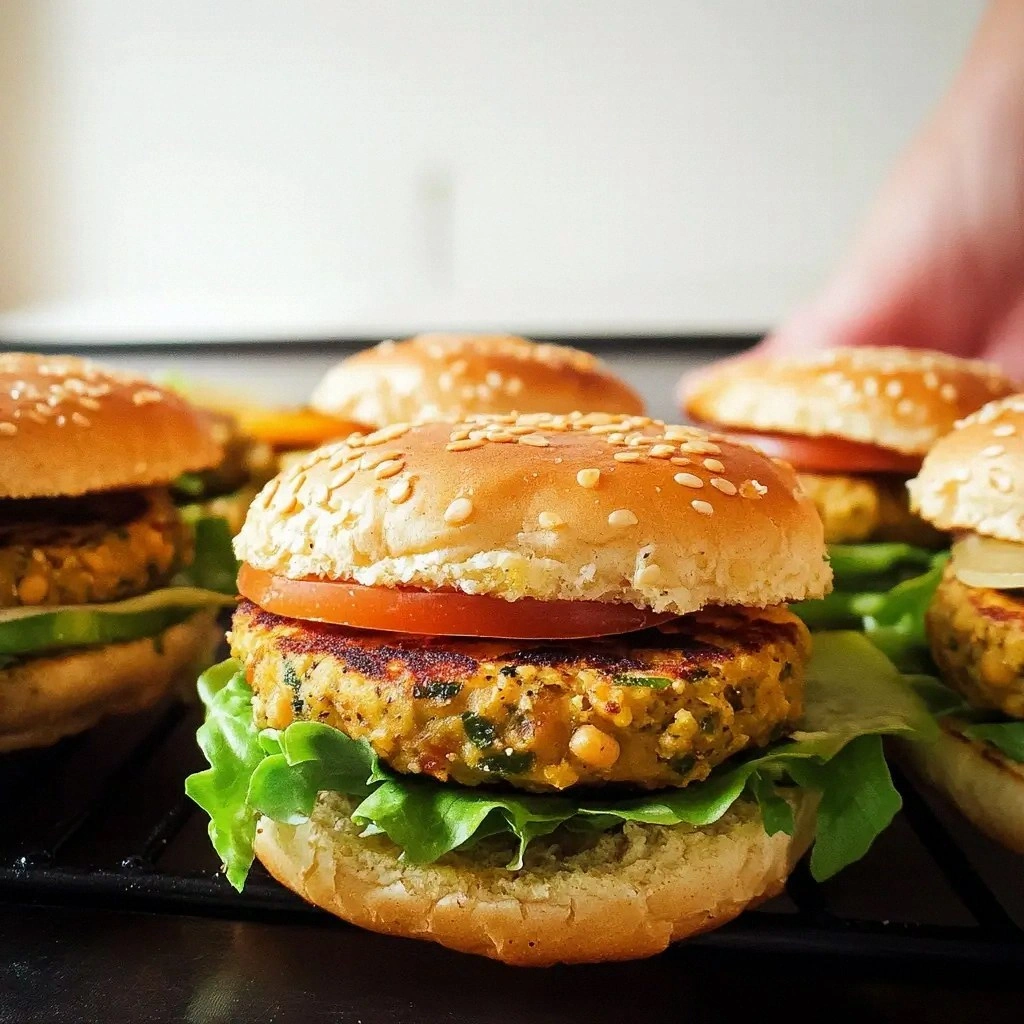 Now
Now The Method — Step by Step
(~600 words). We'll write 10 steps each 4-6 sentences. We'll include Kitchen Hack boxes at step 3 and step 7 maybe. And Watch Out box at step 5 maybe. Let's write steps.After step 7, we insert another Kitchen Hack:Kitchen Hack: If you’re in a rush, pulse the chickpeas, oats, and spices in a food processor for 30 seconds; this yields a moist mixture ready for shaping without the extra effort.Now Watch Out box at step 5. After step 5, insert Watch Out box:Kitchen Hack: While the patties finish, use the same skillet to toast the buns; this saves a pan and gives the buns a buttery flavor that complements the burger.Now close with: "That's it — you did it. But hold on, I've got a few more tricks that'll take this to another level..."Watch Out: If the skillet is too hot, the patties will burn on the outside while staying raw inside. Keep the heat medium‑high and watch the sizzle; a steady, medium heat yields the best crust.That's it — you did it. But hold on, I've got a few more tricks that'll take this to another level.
NowInsider Tricks for Flawless Results
(~400 words). We'll write 6 tips with h3 headings.The Temperature Rule Nobody Follows
Many cooks assume that high heat is always best for burgers, but for chickpea patties, medium heat preserves moisture while still forming a golden crust. I once tried a high‑heat pan and ended up with a charred exterior and a dry interior. By keeping the skillet at medium and letting the patty develop a crust over 4 minutes, you lock in juices and avoid that dreaded dry bite. Remember, patience pays off.
Why Your Nose Knows Best
When the onions and garlic hit the hot oil, they release a scent that signals the patty is ready to go. A fragrant, caramelized aroma means the sugars are browning properly, giving the burger a deep, nutty flavor. If the smell is faint, lower the heat or add a splash of water to keep the mixture from sticking.
The 5-Minute Rest That Changes Everything
After cooking, let the patties rest on a paper towel for five minutes before slicing. This short pause allows the juices to redistribute, ensuring each bite is juicy rather than dry. It also lets the patty firm up slightly, making it easier to handle when you assemble the burger.
Use a Meat Thermometer for Precision
Even though these are plant‑based patties, a quick temperature check ensures they’re cooked through without overcooking. Aim for 165°F (74°C) at the center. A thermometer gives you confidence and eliminates guesswork.
Keep the Toppings Fresh
To avoid soggy buns, add wet toppings like tomato or pickles only after assembling the burger. If you prefer a crisp bite, pre‑toast the lettuce or use a dry, crunchy salad base. Fresh toppings maintain texture contrast.
Freeze for Future Feasts
Shape the patties before cooking, then place them on a baking sheet lined with parchment paper and freeze until solid. Store them in a freezer bag and reheat in a skillet for a quick, gourmet meal. Freezing preserves flavor and texture, so you can enjoy a restaurant‑style burger at home anytime.
Insert Kitchen Hack box for top tip.NowKitchen Hack: For a quick protein boost, stir in a tablespoon of hemp seeds or a scoop of pea protein powder into the mixture before shaping. This not only adds texture but also increases the protein content without altering flavor.Creative Twists and Variations
(~350 words). 5-6 variations.Creative Twists and Variations
This recipe is a playground. Here are some of my favorite ways to switch things up:
Spicy Southwest Burger
Swap the smoked paprika for chipotle powder and add a diced jalapeño to the mix. Finish with a dollop of chipotle mayo and a sprinkle of cotija cheese. The heat and smoky flavor make this version a fiesta on a bun.
Herb‑Infused Mediterranean
Replace parsley with fresh dill and oregano, and add a splash of feta cheese to the batter. Top the burger with a cucumber‑tomato salad and a drizzle of tzatziki. The bright herbs and tangy yogurt create a refreshing Mediterranean vibe.
Asian‑Inspired Crunch
Stir in finely shredded cabbage, sliced green onions, and a teaspoon of sesame oil. Coat the patties with a mix of soy sauce and rice vinegar before frying. Serve with a side of pickled daikon and a drizzle of sriracha for an Asian fusion twist.
Chocolate‑Chili Sweet Burger
Mix in a tablespoon of cocoa powder and a pinch of cinnamon to the base. Add a splash of maple syrup for sweetness and a dash of cayenne for heat. Top with a slice of sharp cheddar and a smear of honey mustard for a sweet‑savory combo.
Breakfast‑Style Burger
Fold in a beaten egg and a handful of crumbled breakfast sausage or bacon bits. Serve on a toasted English muffin with a fried egg on top. The savory breakfast elements turn the burger into a hearty brunch staple.
Gluten‑Free Delight
Replace all flours with a blend of almond flour and ground flaxseed. Use a gluten‑free breadcrumb alternative like crushed rice crackers. The result is a crisp, gluten‑free patty that still delivers on flavor.
NowStoring and Bringing It Back to Life
(~250 words). 3 subsections.Storing and Bringing It Back to Life
Fridge Storage
Cool the cooked patties completely, then place them in an airtight container. Store them in the refrigerator for up to three days. Before serving, give them a quick reheat in a skillet over medium heat; a splash of water will steam them back to juiciness.
Freezer Friendly
Shape the patties before cooking and freeze them on a parchment‑lined tray until solid. Once frozen, transfer them to a resealable freezer bag. They’ll keep for up to six months. When you’re ready to eat, cook them straight from the freezer; add a minute or two of extra cooking time to ensure they’re heated through.
Best Reheating Method
Reheat the patties in a skillet with a small amount of oil, turning them until the exterior is crisp again. For a quicker option, microwave them on medium for 30 seconds, then finish in the skillet for a minute. Either method restores the burger’s mouth‑watering texture.
Now recipe card. We need to include the recipe card with the provided structure. We'll need to adjust the ingredients list. We'll copy the entire recipe card structure and fill in ingredients. We'll set data-default-servings="4". We need to include all ingredients in the checklist. We'll use two columns. We'll create a list of 18 ingredients. We need to include each li with data-base-qty and rc-qty. We'll need to convert units to numeric: cups, tbsp, tsp, etc. We'll use numeric values. For 1/2 cup, we use 0.5. For 1/4 cup, 0.25. For 2 tbsp, 2. For 1 tbsp, 1. For 2 tsp, 2. For 0.5 tsp, 0.5. For 1 large egg, 1. For 1/2 cup breadcrumbs, 0.5. For 1 tbsp nutritional yeast, 1. For 1 tsp salt, 1. For 0.5 tsp pepper, 0.5. For 2 cloves garlic, 2. For 1 cup oats, 1. For 2 cups chickpeas, 2. For 1 cup carrot, 1. For 0.5 cup onion, 0.5. For 0.25 cup parsley, 0.25. For 1 tsp cumin, 1. For 1 tsp smoked paprika, 1. For 2 tbsp olive oil, 2. For 1 tbsp soy sauce, 1. For 1 tbsp lemon juice, 1. For 2 tbsp whole wheat flour, 2. Let's write. We'll also need to include the directions list. We also need to include FAQ items. Now we need to fill the recipe card directions: we can copy the steps earlier but we need to ensure they match. We'll include the 10 steps. Now we need to ensure we include the script. Now we need to add hidden elements at the end. Let's craft the recipe card.Now we need to add hidden elements after the recipe card.