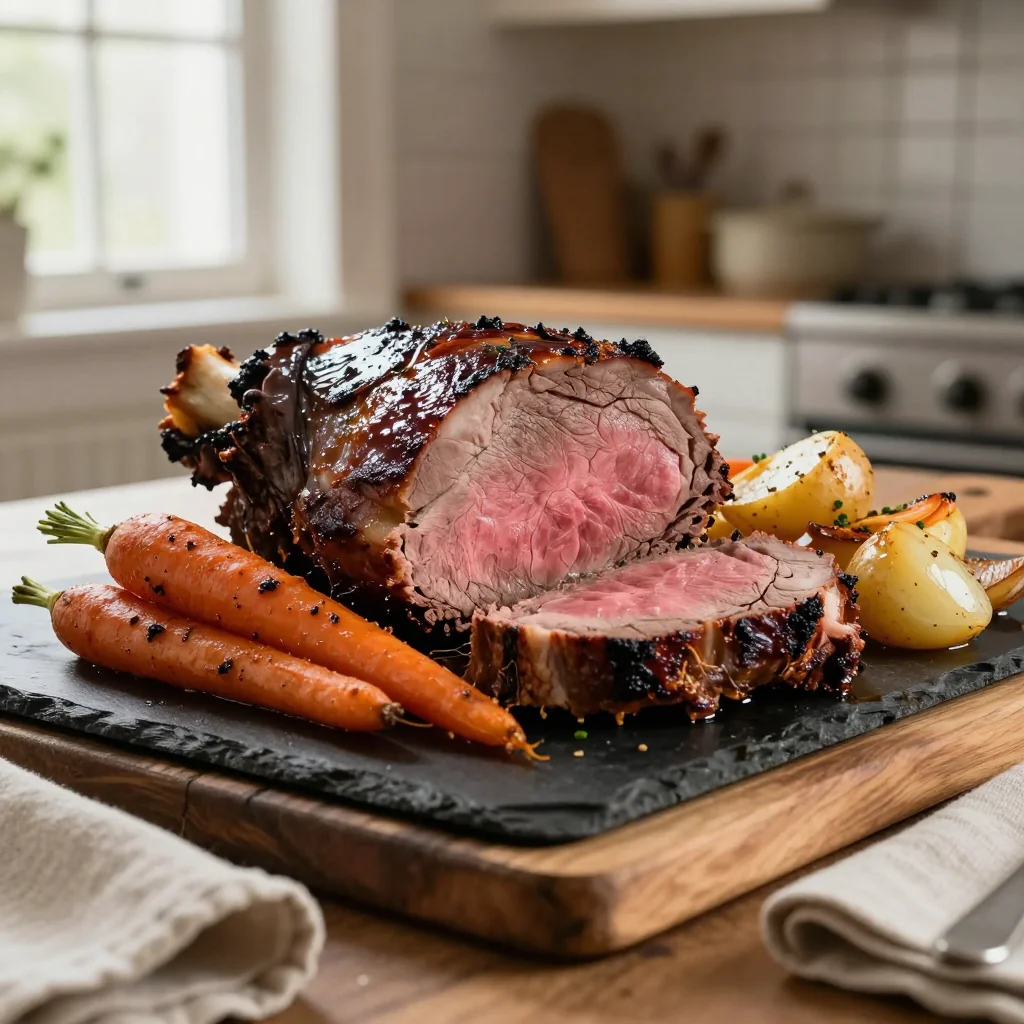
A timeless classic that turns a simple cut of beef into a centerpiece of flavor, aroma, and comfort.
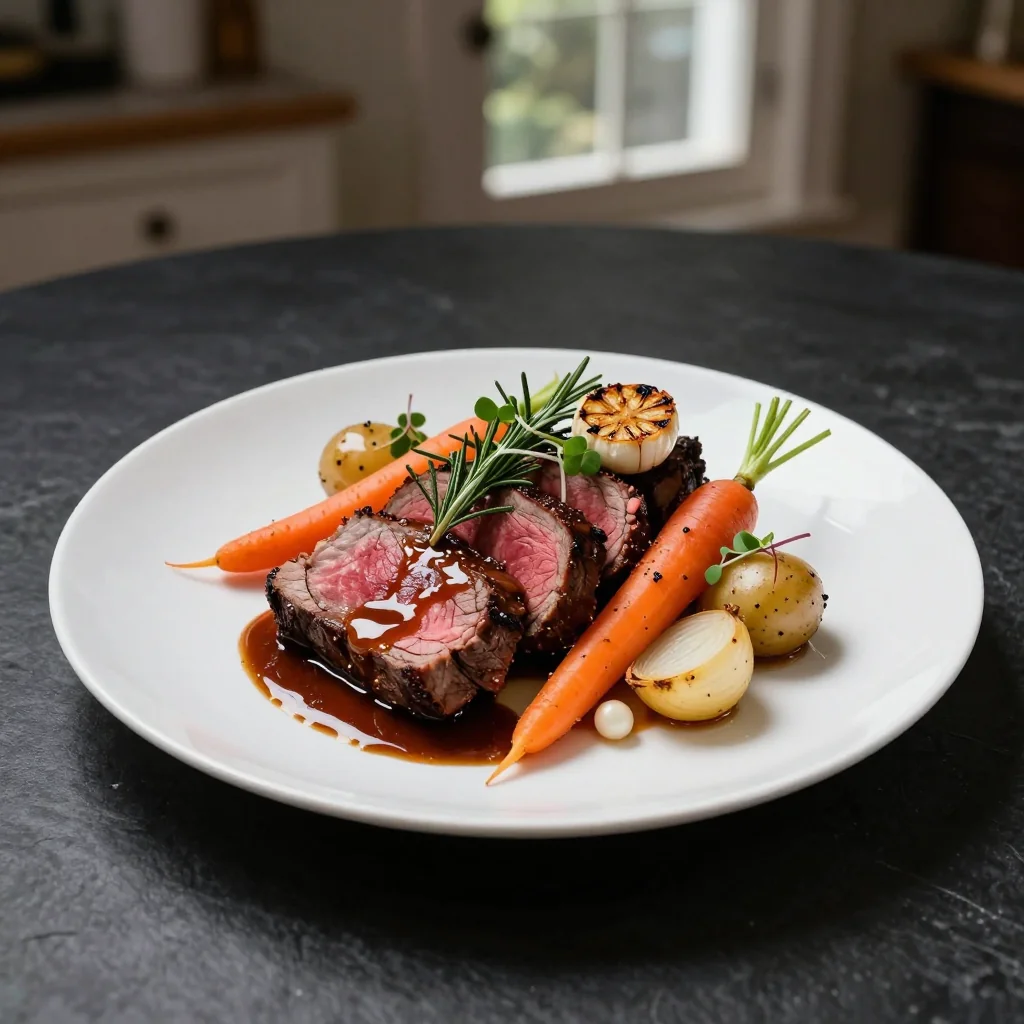
Personal Story Behind This Roast
I still remember the first time I tasted a perfectly roasted beef joint at my grandmother’s farmhouse in the rolling hills of the countryside. The scent of rosemary and thyme mingled with the earthy aroma of root vegetables, creating an unforgettable tableau of comfort and celebration. As a child, I would sit at the kitchen table, watching the golden crust develop through the oven window, feeling the anticipation build with each minute that passed.
That memory sparked my lifelong fascination with classic French‑style roasts, where simplicity meets technique. Over the years, I experimented with different cuts, seasoning blends, and cooking methods, learning that the secret lies not just in the quality of the meat but in the harmony of flavors that surround it. The vegetables—carrots, parsnips, and onions—absorb the beef’s juices, turning sweet and caramelized, while the herbs infuse the entire dish with a fragrant, herbaceous lift.
In this article, I’ll walk you through every step of recreating that cherished family moment, from selecting the perfect rib roast to mastering the art of resting the meat. You’ll discover why a slow, low‑temperature roast followed by a high‑heat finish yields a tender interior and a crisp, flavorful crust. I’ll also share the science behind why certain herbs and spices amplify the beef’s natural umami.
So tie on your apron, preheat that oven, and let’s embark on a culinary journey that will bring warmth to your table and smiles to every face around it.
🌟 Why This Recipe Will Captivate You
From the first sizzle to the final carve, this beef roast delivers a symphony of textures and flavors that will become a staple in your kitchen.
- ✨ Balanced Flavor Profile: The combination of aromatic herbs, garlic, and smoked paprika creates depth without overwhelming the natural richness of the beef.
- ✨ Foolproof Technique: A two‑stage cooking method—low and slow, then a high‑heat blast—ensures a juicy interior and a caramelized crust every time.
- ✨ One‑Pan Efficiency: Roast the meat and vegetables together, reducing cleanup and allowing the vegetables to soak up the meat’s juices.
- ✨ Adaptable to Any Season: Whether served with a light spring salad or a hearty winter mash, the roast pairs beautifully year‑round.
- ✨ Impressive Presentation: The vivid colors of roasted carrots and parsnips make the dish look as stunning as it tastes.
- ✨ Nutrient‑Rich Meal: High‑quality protein, fiber‑filled vegetables, and heart‑healthy olive oil provide a balanced, satisfying dinner.
🥗 Ingredients
📝 Complete Ingredient List
For the Beef Roast:
For the Vegetables:
For the Pan Sauce (optional):
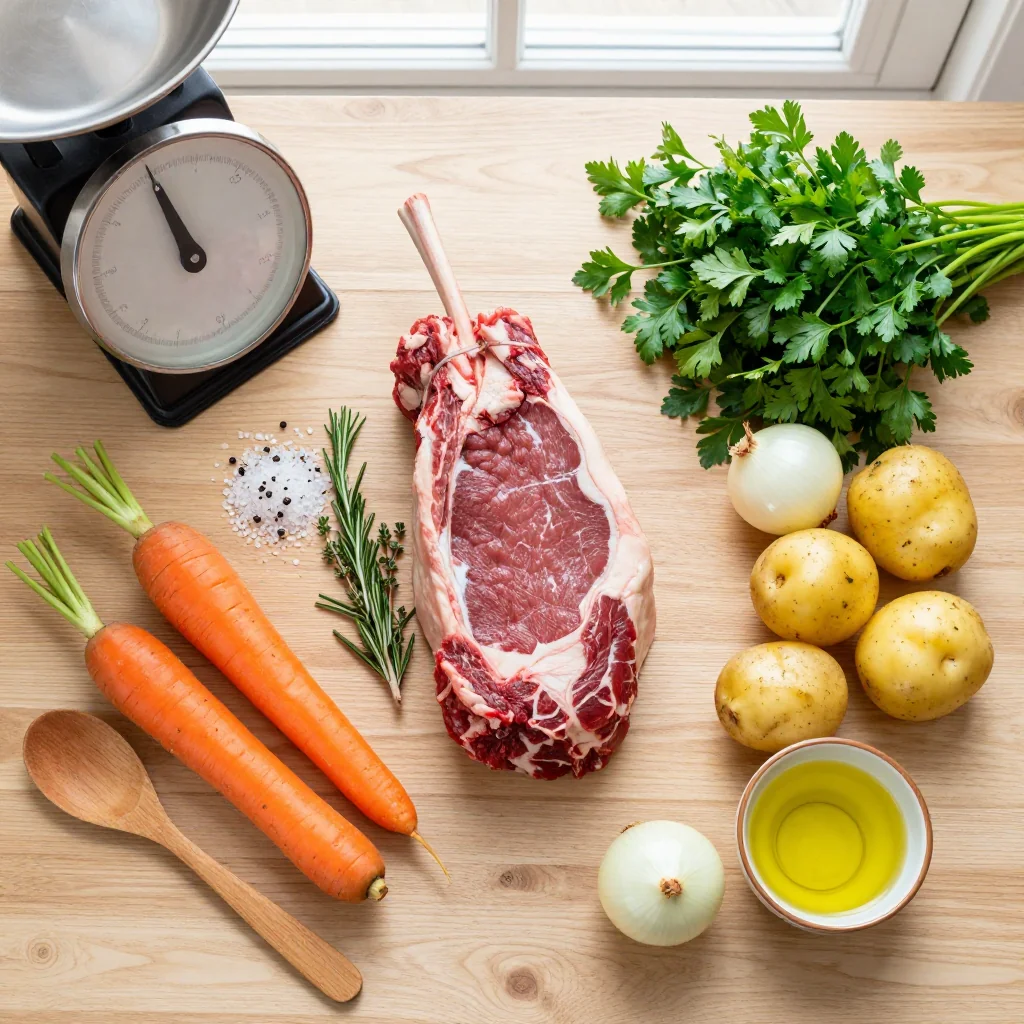
🔍 Focus on Key Ingredients
Beef Rib Roast
The rib roast is prized for its marbling, which renders into the meat as it cooks, keeping it moist and imparting a buttery richness. When selecting, look for a deep ruby color and fine white streaks of fat. A well‑marbled cut will develop a luscious crust while staying tender inside.
Fresh Herbs (Rosemary & Thyme)
Fresh rosemary and thyme bring piney, citrus‑bright notes that cut through the richness of the beef. Their essential oils release during the low‑temperature phase, infusing the meat and vegetables with subtle aromatics that linger on the palate.
Smoked Paprika
Smoked paprika adds a gentle, smoky depth without the need for a grill. Its bright orange hue also enhances the visual appeal of the roasted vegetables, creating a harmonious color palette on the plate.
🔄 Quick Substitutions
| If you don’t have... | Use instead... |
|---|---|
| Beef rib roast | Top sirloin roast (slightly leaner) |
| Fresh rosemary | Dried rosemary (1/3 the amount) |
| Smoked paprika | Regular paprika + a pinch of liquid smoke |
👨🍳 Step‑by‑Step Instructions
Follow these carefully crafted steps to achieve a perfectly cooked roast every time. Patience and attention to detail are your best allies.
📋 Phase 1: Preparation & Mise en Place
Begin by prepping the meat and vegetables so everything is ready for the oven.
Season the Beef
Pat the rib roast dry with paper towels. Rub the olive oil all over the surface, then sprinkle generously with salt and pepper. Massage the minced garlic, chopped rosemary, and thyme into the meat, ensuring an even coating. Let the seasoned roast rest at room temperature for 30 minutes; this promotes even cooking.
Prepare the Vegetables
Peel the carrots and parsnips, then cut them into uniform sticks about 1 inch thick. Quarter the onions. Toss all vegetables in a bowl with melted butter, smoked paprika, dried oregano, and a pinch of salt. Spread them in a single layer on a large roasting pan, leaving space for the meat.
🔥 Phase 2: Cooking & Assembly
Low‑and‑slow cooking followed by a high‑heat blast creates the perfect texture.
Low‑Temperature Roast
Preheat the oven to 120 °C (250 °F). Place the seasoned roast on a rack above the vegetables, fat side up. Insert a meat thermometer into the thickest part of the meat, avoiding bone. Roast for about 2 hours, or until the internal temperature reaches 55 °C (130 °F) for medium‑rare. The low temperature ensures gentle heat penetration, preserving juiciness.
High‑Heat Finish
Increase the oven temperature to 230 °C (450 °F). Roast for an additional 15‑20 minutes, or until the crust turns deep golden‑brown and the internal temperature reaches 60 °C (140 °F) for medium. This final blast creates a caramelized exterior while keeping the interior tender.
Rest the Roast
Remove the roast and vegetables from the oven. Transfer the meat to a cutting board, tent loosely with foil, and let rest for 15 minutes. Resting allows juices to redistribute, preventing them from spilling out when sliced.
✨ Phase 3: Finishing & Plating
Final touches that turn a great dish into a spectacular one.
Slice the Beef
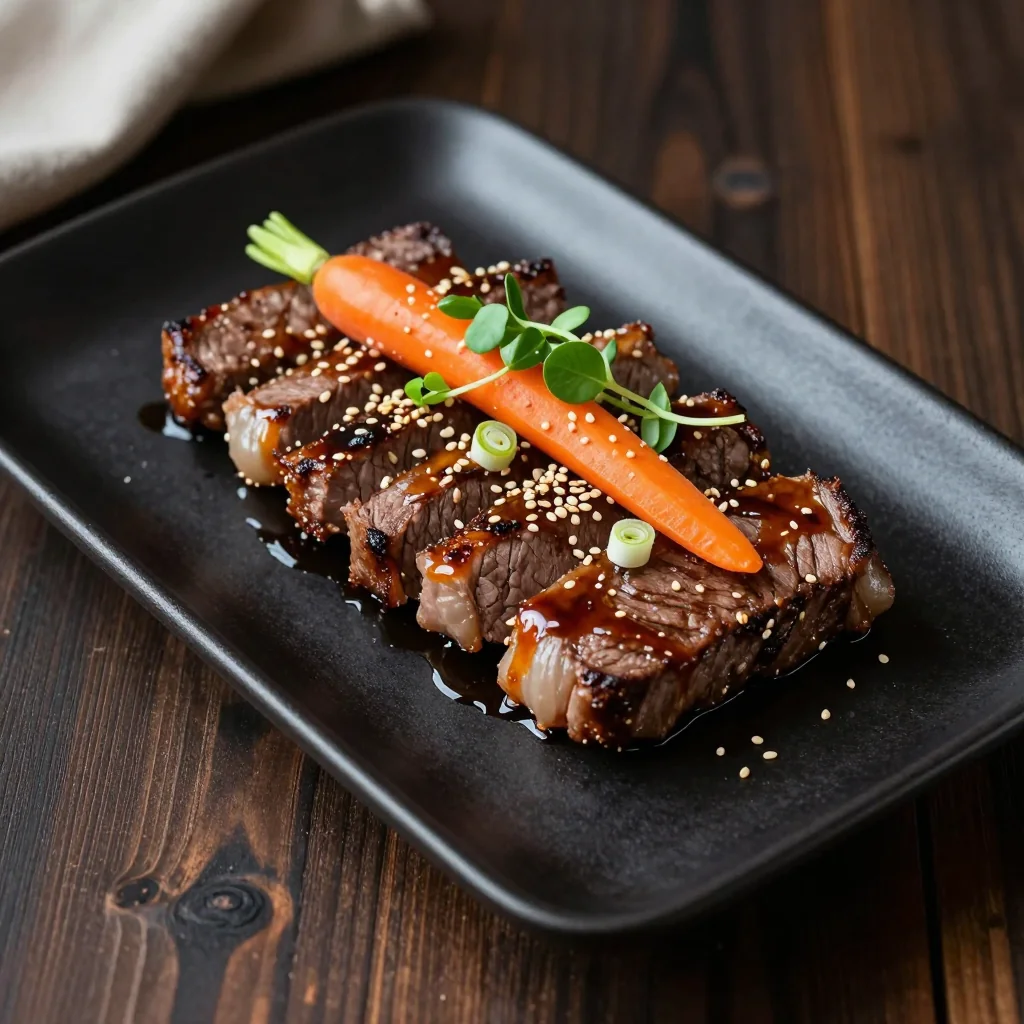
Using a sharp carving knife, slice the roast against the grain into ½‑inch thick slices. Arrange the slices on a warm serving platter.
Prepare the Pan Sauce (optional)
Place the roasting pan on the stovetop over medium heat. Add red wine, scraping up browned bits with a wooden spoon. Whisk in flour, then gradually add beef broth, stirring until thickened. Finish with a tablespoon of butter for gloss.
Plate and Garnish
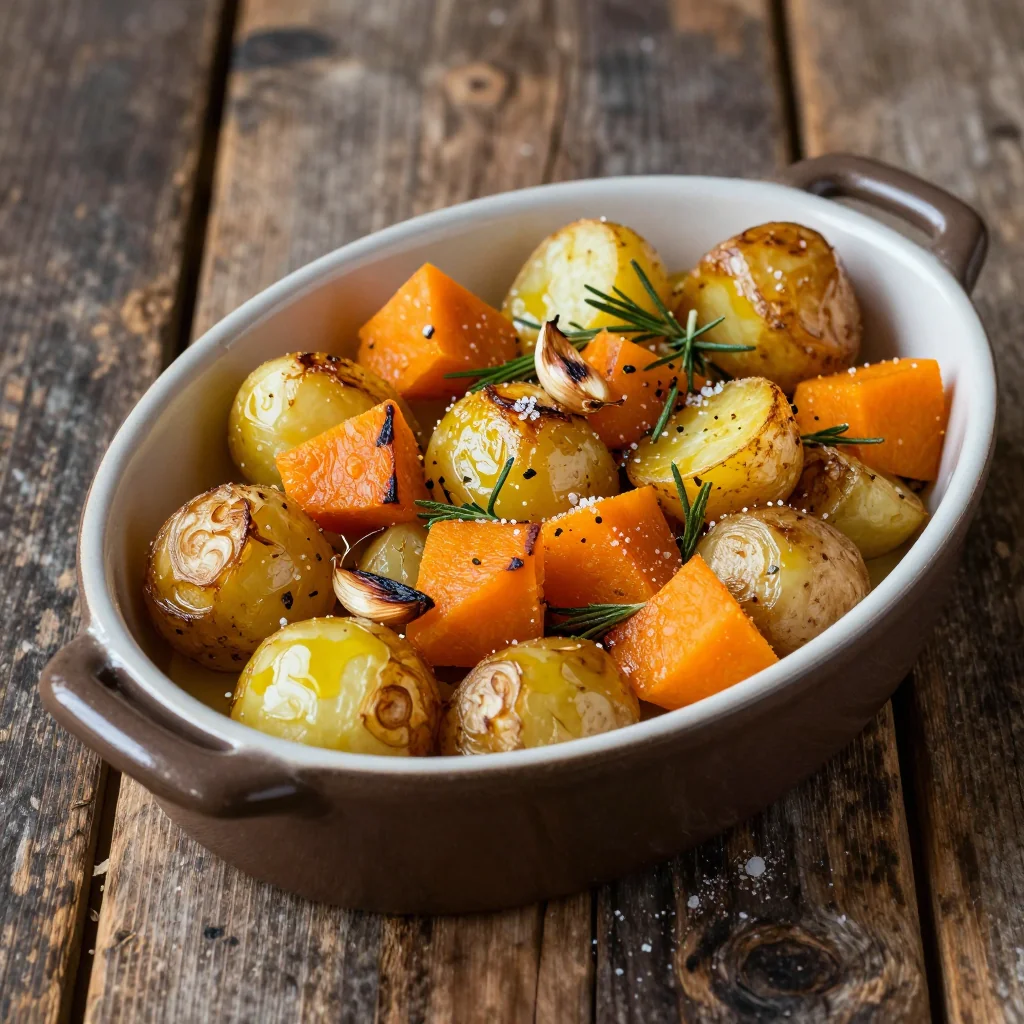
Nestle the roasted carrots, parsnips, and onions around the sliced beef. Drizzle the pan sauce over the meat, or serve it on the side. Garnish with a sprig of fresh rosemary for color.
Serve
Serve hot, accompanied by your favorite side dishes or a simple green salad. This roast pairs wonderfully with a robust red wine or a crisp, mineral‑rich white.
💡 Expert Tips & Tricks
🛒 Choosing the Right Ingredients
Opt for a rib roast with a visible fat cap; the fat renders into the meat, adding flavor and moisture. When buying vegetables, select firm carrots and parsnips without cracks. Fresh herbs should be vibrant, not wilted. If possible, purchase meat a day ahead and let it rest uncovered in the refrigerator to dry the surface—this enhances crust formation.
🔪 Preparation Techniques
Trim excess silver skin from the roast, but leave a thin layer of fat for flavor. Pat the meat dry before oiling to ensure the seasoning adheres. Cut vegetables into uniform pieces for even caramelization. Use a kitchen scale for precise measurements; consistency is key for scaling the recipe.
🌡️ Mastering the Cooking Process
Invest in a reliable instant‑read thermometer. Monitor the internal temperature rather than relying on time alone. The low‑temperature phase gently cooks the interior, while the final blast creates the Maillard reaction. If your oven has hot spots, rotate the pan halfway through the high‑heat stage.
🍽️ Presentation & Service
Let the meat rest before slicing to keep juices inside. Slice against the grain for maximum tenderness. Arrange the vegetables in a fan shape around the meat for visual impact. Finish with a drizzle of the pan sauce and a sprinkle of flaky sea salt for texture.
🏆 Pro Tips
Elevate your roast from home‑cooked to restaurant‑grade with these professional insights.
- 🎯 Dry‑Aging the Roast: If you have time, dry‑age the rib roast for 2‑3 days uncovered in the fridge. This concentrates flavor and tenderizes the meat through enzymatic breakdown.
- 🎯 Using a Cast‑Iron Skillet: After the low‑temp roast, transfer the meat to a pre‑heated cast‑iron skillet for the high‑heat finish. The skillet’s superior heat retention creates an even, deep crust.
- 🎯 Basting with Butter‑Herb Emulsion: Mix softened butter with minced garlic, rosemary, and thyme. Baste the roast every 10 minutes during the high‑heat phase for extra richness.
- 🎯 Resting on a Wire Rack: Place the roast on a wire rack while it rests to prevent steam from sogging the crust.
- 🎯 Deglazing the Pan for Sauce: Scrape the caramelized bits (fond) from the roasting pan with wine; this adds depth to the sauce that can’t be achieved with broth alone.
- 🎯 Temperature Gradient Awareness: The outer 2 cm of the roast will be hotter than the core. Aim for a final internal temperature of 60 °C (140 °F) for medium, knowing the center will settle around 55 °C (130 °F) after resting.
"A great roast is not just about heat; it's about time, patience, and respect for the ingredients." — Chef Alain Ducasse
🔄 Variations & Adaptations
The core technique of slow roasting and high‑heat finishing lends itself to endless creativity. Below are several ways to adapt the recipe to suit dietary preferences, flavor cravings, and family needs.
🥬 Vegetarian / Vegan Version
Replace the beef rib roast with a large cauliflower head and a mix of hearty mushrooms such as portobello and shiitake. Marinate the cauliflower in olive oil, smoked paprika, and fresh herbs, then roast alongside the vegetables. Use vegetable broth and a splash of soy sauce for a savory pan sauce.
- Substitution 1: 1 large cauliflower head (≈1.5 kg) in place of beef.
- Substitution 2: 400 g mixed mushrooms, sliced, added to the vegetable tray.
🌶️ Flavor Variations
Experiment with global spice blends to give the roast a new personality. Below are three popular twists.
Spicy Mexican Twist
Add 1 tsp chipotle powder and a tablespoon of lime zest to the herb rub. Serve with a side of avocado salsa and corn tortillas.
Mediterranean Version
Incorporate 2 tbsp chopped Kalamata olives and 1 tsp dried oregano into the vegetable mix. Finish with a drizzle of lemon‑infused olive oil.
Asian‑Inspired Variation
Substitute rosemary with 1 tbsp grated ginger and 2 tbsp soy sauce in the rub. Add sliced bok choy and snap peas to the roasting pan for a fresh crunch.
⚠️ Dietary Adaptations
Gluten‑Free
Omit the flour from the pan sauce and replace it with cornstarch slurry (1 tsp cornstarch mixed with 2 tsp cold water). Ensure all broth and seasonings are certified gluten‑free.
Lactose‑Free
Use olive oil instead of butter for the vegetables and a dairy‑free margarine for the sauce. Coconut cream can be a luxurious alternative to butter in the finishing glaze.
Low‑Calorie
Trim excess fat from the roast before cooking, reduce butter to 1 tbsp, and increase the proportion of non‑starchy vegetables like broccoli or green beans. Serve with a light vinaigrette instead of a rich sauce.
👶 Family / Kids Version
For younger palates, cut the vegetables into bite‑size pieces and toss with a touch of honey for natural sweetness. Serve the sliced beef with a mild mustard dip instead of a robust pan sauce.
📦 Storage & Reheating
🧊 Conservation
In the Refrigerator:
- Duration: 3 days
- Recommended container: airtight glass or BPA‑free plastic
- Tip: Store the sliced meat separate from the vegetables to preserve texture.
In the Freezer:
- Duration: 2 months
- Method: Cool completely, wrap tightly in freezer‑grade foil, then place in a zip‑lock bag.
- Defrosting: Thaw overnight in the refrigerator; reheat using the oven method for best results.
💡 For optimal flavor, consume within one week if refrigerated and avoid refreezing leftovers.
♨️ Reheating
🔥 In the Oven (Recommended):
- Preheat to 160 °C (325 °F).
- Cover the roast loosely with aluminum foil to retain moisture.
- Heat for 15‑20 minutes, or until the internal temperature reaches 60 °C (140 °F).
- Remove the foil and continue for 5 minutes to restore a light crust.
⚡ In the Microwave (Quick):
- Place slices in a microwave‑safe dish, cover with a microwave‑safe lid.
- Heat on medium power for 1‑2 minutes, then stir or flip.
- Continue in 30‑second bursts until hot.
🍳 In a Skillet:
Heat a splash of oil over medium‑high heat, add sliced beef and vegetables, and sauté for 3‑4 minutes, stirring gently to avoid over‑cooking.
🍷 Perfect Pairings
🥗 Side Dishes
- Garlic‑Lemon Green Beans: Bright, crisp beans contrast the rich roast.
- Herbed Quinoa Pilaf: Light, fluffy grains absorb the pan sauce.
- Classic Caesar Salad: The tangy dressing cuts through the meat’s richness.
🍷 Wine & Beverage Pairings
- Red Wine – Cabernet Sauvignon: Its firm tannins complement the beef’s fat.
- Red Wine – Pinot Noir: Offers a lighter, fruit‑forward balance.
- Non‑Alcoholic: Sparkling apple cider with a hint of rosemary.
🍰 To Complete the Meal
Begin with a simple mixed‑green starter dressed with balsamic vinaigrette. Follow the roast with a light lemon tart or a classic crème brûlée for a sweet, creamy finish that doesn’t overwhelm the palate.
❓ Frequently Asked Questions
Q: Can I use a different cut of beef?
Absolutely. A top sirloin roast or a chuck roast works well, though you may need to adjust cooking times slightly. A fattier cut like a prime rib will produce a richer flavor, while a leaner cut may require a brief butter baste during the high‑heat phase to prevent drying.
Q: How do I know when the roast is done without a thermometer?
If you lack a thermometer, use the “finger test” by pressing the meat; it should feel firm yet spring back slightly. Another method is to insert a thin skewer—if the juices run clear and not pink, the meat is close to medium. However, a thermometer provides the most reliable result.
Q: Should I sear the beef before the low‑temperature roast?
Searing first is optional. The low‑temperature method already develops a gentle crust, and the final high‑heat blast creates the deep Maillard browning. If you prefer an extra layer of flavor, sear the roast for 2‑3 minutes per side in a hot pan before placing it in the oven.
Q: Can I add potatoes to the vegetable mix?
Yes, diced Yukon Gold or red potatoes add heartiness. Cut them into uniform 1‑inch cubes and toss with the same butter‑herb mixture. Keep in mind that potatoes may require an additional 10‑15 minutes of roasting to become tender.
Q: How do I make the pan sauce gluten‑free?
Replace the flour with an equal amount of cornstarch slurry (1 tsp cornstarch mixed with 2 tsp cold water). Whisk the slurry into the deglazed pan after adding the wine and broth, then simmer until thickened.
Q: Is it possible to prepare this recipe ahead of time?
Definitely. You can season the roast and chop the vegetables up to 24 hours in advance, storing them separately in the refrigerator. This actually enhances flavor penetration. Bring everything to room temperature before cooking to ensure even heat distribution.
🎉 Let’s Get Cooking!
This Beef Roast with Vegetables brings together the timeless comfort of a classic roast with modern, accessible techniques. By mastering the low‑and‑slow then high‑heat method, you’ll consistently achieve a succulent interior and a caramelized, aromatic crust that impresses guests and satisfies family alike. The recipe’s flexibility allows you to tailor it to seasonal produce, dietary needs, or global flavor profiles, making it a versatile centerpiece for any occasion.
I encourage you to try the recipe, experiment with the suggested variations, and share your results. Your feedback helps the community grow, and seeing your beautifully plated roast inspires others to embark on their own culinary adventures.
Have you tried this recipe?
Leave a comment and rating below! Share your photos on Instagram with #BeefRoastMagic to be featured.
Beef Roast with Vegetables
A succulent rib roast surrounded by caramelized root vegetables, perfect for any gathering.
📝 Ingredients
Beef Roast
Vegetables
Pan Sauce (optional)
👨🍳 Instructions
- 1 Pat the beef dry, rub with oil, salt, pepper, garlic, rosemary and thyme; let rest 30 min.
- 2 Toss carrots, parsnips, onions with butter, smoked paprika, oregano and salt; spread in pan.
- 3 Place roast on rack above vegetables, roast at 120 °C until 55 °C internal.
- 4 Increase oven to 230 °C, roast 15‑20 min until crust is deep brown and internal 60 °C.
- 5 Rest the roast 15 min, tented with foil.
- 6 Slice meat against the grain; prepare optional pan sauce by deglazing with wine, adding broth, flour slurry, and butter.
- 7 Arrange sliced beef and vegetables on a platter, drizzle sauce, garnish with rosemary.
- 8 Serve hot with chosen sides and wine.
- 9 Store leftovers in airtight containers; reheat using oven method for best texture.
- 10 Enjoy and share your creation with friends and family!
🥗 Nutritional Information (per serving)
*Values are estimates based on standard ingredient data.
📚 You Might Also Like