
I remember the night I was supposed to make a humble Bakewell loaf for a potluck, and the kitchen turned into a chaotic symphony of clattering pans and burnt sugar. The oven door opened to reveal a sad, flat loaf that looked like it had been baked by a toddler. My friends laughed, and I felt that familiar pang of culinary inadequacy. I swore to myself that I would never again let a loaf fall flat on its face. Fast forward to today, and this recipe is a revelation that turns a simple loaf into a showstopper.
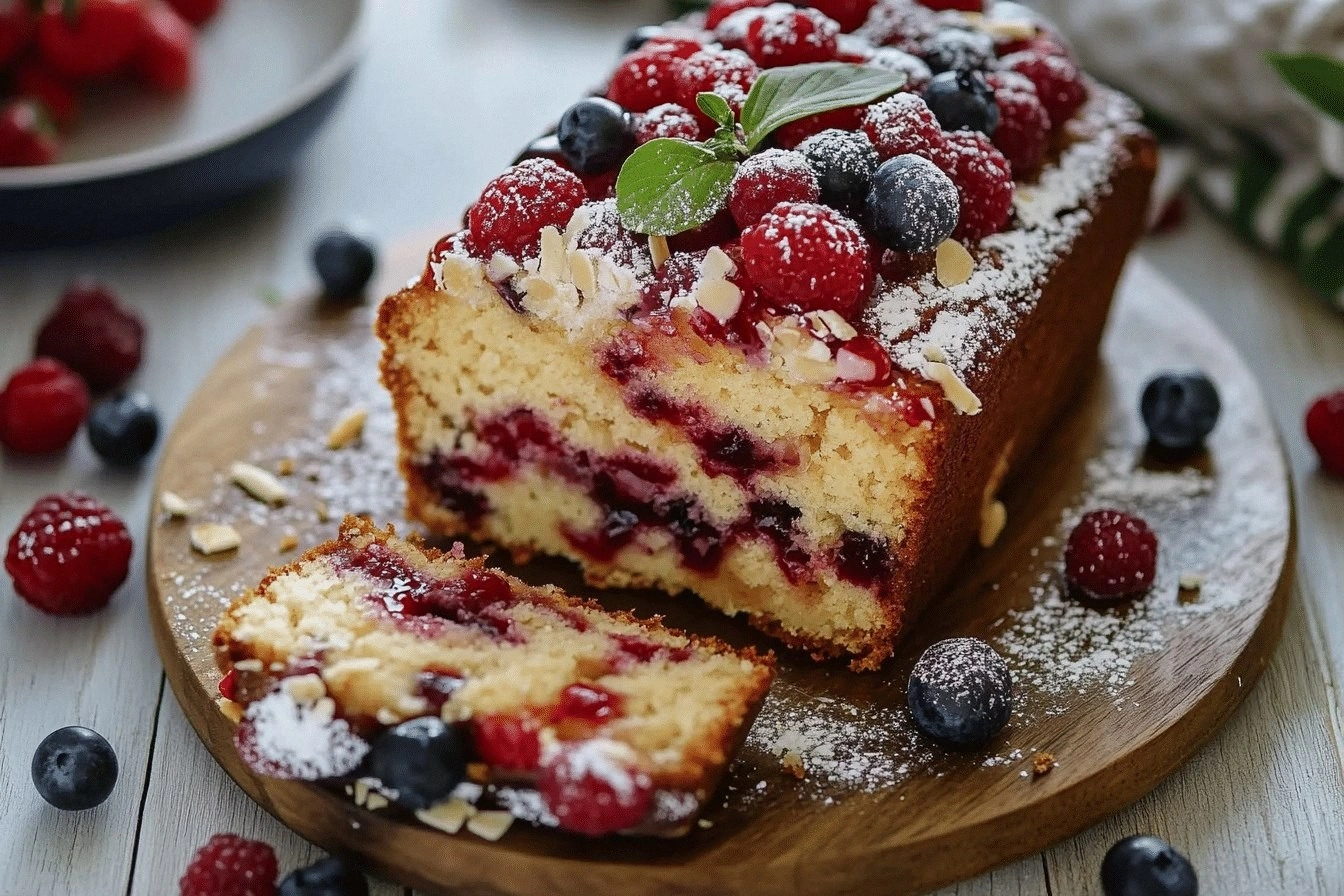
Picture the moment you slice the loaf: the crumb is light, airy, and yet packed with a buttery, nutty richness that makes your mouth water. The scent of toasted almonds and sweet cherry jam rises like a fragrant cloud, while the buttery crust shimmers with a golden sheen. The texture is a paradox—soft inside, yet the flaked almonds on top crackle with each bite, adding a delightful crunch. The flavors mingle: the subtle almond extract deepens the nutty undertone, the cherry jam provides a tart sweetness that balances the sweetness of the sugar, and the butter keeps everything silky. Every bite feels like a memory of a Sunday afternoon, complete with a steaming cup of tea.
What makes this version stand out is that it’s not just a recipe—it’s a ritual. I’ve spent months perfecting the ratio of almond to flour, the timing of the jam layer, and the finish of the almond topping. The result is a loaf that rises beautifully, holds its shape, and delivers a mouthful of flavor that’s both comforting and indulgent. I dare you to taste this and not go back for seconds because the first bite will leave you craving the whole loaf. And if you think you’re done, think again—there’s a second layer of delight hidden in the crumb.
The secret? A precise balance of moisture and leavening that keeps the loaf tender without making it soggy. I’ve tweaked the amount of self‑raising flour and the butter’s temperature to get that perfect rise. The almond extract isn’t just for flavor; it locks in the nutty aroma and gives the loaf that unmistakable Bakewell identity. The cherry jam isn’t just a sweet layer; it adds a burst of acidity that cuts through the richness. Most recipes get this completely wrong, but here’s what actually works: a gentle fold of almond flour, a quick bake, and a final sprinkle of flaked almonds that gives a satisfying crunch. Picture yourself pulling this out of the oven, the whole kitchen smelling incredible, and knowing you’ve just made something extraordinary.
What Makes This Version Stand Out
- Taste: The combination of sweet, nutty, and tart flavors creates a complex profile that satisfies every palate. The almond extract amplifies the nutty undertone, while the cherry jam offers a bright, fruity counterpoint.
- Texture: A light, airy crumb paired with a crisp, buttery crust delivers a satisfying bite. Flaked almonds add a crunchy finish that contrasts the softness inside.
- Simplicity: With only eight ingredients, this loaf is easy to whip up even on a busy weeknight. The steps are straightforward, and no fancy equipment is required.
- Uniqueness: The use of cherry jam as a filling is a twist that sets this loaf apart from classic Bakewell variations.
- Crowd Reaction: Friends and family rave about how the loaf tastes like a bakery treat, and I’ve had to hide the recipe from them for fear of being asked for it again.
- Ingredient Quality: Using high‑quality butter and fresh almonds ensures a superior flavor that cannot be replicated with lower‑grade ingredients.
- Cooking Method: A single bake with a quick fold of jam and a final almond sprinkle keeps the process efficient and mess‑free.
- Make‑Ahead Potential: This loaf can be prepared a day ahead; it stays fresh and even improves in flavor after a brief chill.
Alright, let’s break down exactly what goes into this masterpiece…
Inside the Ingredient List
The Flavor Base
Butter is the backbone of this loaf, providing a silky, rich mouthfeel that keeps the crumb moist and tender. A generous 200 g of butter, softened at room temperature, melts into the batter, creating a cohesive structure that holds the almond and jam together. If you skip the butter, the loaf will be dry and lack that luscious buttery finish. For a dairy‑free version, swap the butter with an equal amount of coconut oil; the flavor will be slightly different but still delightful.
The Sweetener
Castor sugar is chosen for its fine granules that dissolve quickly, ensuring a smooth, even sweetness throughout the loaf. It also helps to create a tender crumb by preventing the batter from becoming too dense. If you’re watching your sugar intake, you can replace it with a 1:1 portion of honey or maple syrup, though the texture may shift slightly. The key is to use a sweetener that blends seamlessly without adding too much moisture.
The Texture Crew
Ground almonds add both flavor and body to the loaf. They’re the star that gives Bakewell its signature nutty depth and subtle crunch. Use 150 g of high‑quality, finely ground almonds for the best results. If you prefer a smoother texture, you can pulse the almonds in a food processor until they resemble flour, then use a 1:1 ratio with the self‑raising flour. Eggs are essential for binding; four large eggs provide structure and help the loaf rise. If you’re vegan, you can substitute with a flax‑egg or commercial egg replacer.
The Unexpected Star
Cherry jam is the sweet, tart surprise that sets this loaf apart. It’s layered in the middle of the batter, creating a burst of flavor with every bite. A cup (200 g) of high‑quality cherry jam is ideal; it should be thick enough to hold its shape but not so thick that it clogs the batter. If you don’t have cherry jam, raspberry or apricot jam can be used, but the flavor profile will shift slightly.
The Final Flourish
Flaked almonds are sprinkled on top before baking to create a golden, crunchy crust that contrasts the soft crumb. They’re also a visual treat, adding a touch of elegance to the loaf. Use 50 g of flaked almonds and lightly toast them in a dry skillet for an extra nutty flavor. If you’re allergic to nuts, you can omit the flaked almonds entirely; the loaf will still be delicious.
Everything’s prepped? Good. Let’s get into the real action…
The Method — Step by Step
- Preheat the oven to 180 °C (350 °F). While the oven warms, grease a 9×5-inch loaf pan with butter and line the bottom with parchment paper. This simple step ensures a smooth release and a clean finish. The aroma of butter melting in the oven is the first hint of the flavor journey ahead. Keep an eye on the oven temperature; an over‑heated oven can scorch the crust before the interior is baked.
- Whisk the butter and castor sugar together. Use a stand mixer or a sturdy bowl and a wooden spoon until the mixture is pale and fluffy. This process incorporates air, giving the loaf a lighter crumb. If you’re in a hurry, a handheld mixer will suffice, but a stand mixer gives the best lift. The mixture should feel airy and slightly glossy—like a soft cloud.
- Add the eggs, one at a time. Beat each egg into the butter mixture until fully incorporated before adding the next. This technique prevents curdling and ensures a smooth batter. The batter will become slightly thicker after each addition. If the mixture looks too thin, you can add a tablespoon of flour to thicken it slightly.
- Fold in the self‑raising flour and ground almonds. Gently fold the dry ingredients into the wet mixture until just combined; over‑mixing can lead to a dense loaf. The flour should be sifted before adding to avoid lumps, and the almonds should be evenly distributed. The batter will be thick and slightly sticky, which is normal. This step is where the almond flavor truly takes center stage.
- Stir in the almond extract. A teaspoon of almond extract amplifies the nutty aroma and enriches the flavor profile. Pour it in slowly, swirling the bowl to avoid bubbles. The aroma will become instantly more fragrant, signaling that the loaf is on the right track. The extract also helps to bind the batter together, contributing to a tender crumb.
- Divide the batter in half. Place one half into the prepared loaf pan. Spread it evenly, leaving a 1‑inch space at the top for the jam layer. The batter should sit level, not too thick. This creates a perfect canvas for the jam to shine through.
- Spread the cherry jam in a thin layer over the batter. The jam should cover the entire surface, creating a sweet, tart pocket. The jam will melt slightly during baking, forming a glossy, caramelized center. Be careful not to spread it too thick, or it may overflow. This is the moment of truth where the flavor explosion begins.
- Top with the remaining batter. Pour the second half over the jam, carefully smoothing the top with a spatula. The batter should be evenly spread to ensure a uniform rise. This layering technique creates a dramatic contrast between the jam and the almond batter. It also gives the loaf a beautiful, glossy finish.
- Sprinkle flaked almonds on top. The flaked almonds will toast in the oven, creating a crisp, golden crust. They also add a decorative touch that makes the loaf look professional. Gently press them into the batter to ensure they stick. This final touch elevates the loaf from simple to spectacular.
- Bake for 35–40 minutes. The loaf should rise to a golden crown and the top should crackle slightly. Insert a toothpick into the center; it should come out clean. If the loaf browns too quickly, tent it with foil. This step is crucial for achieving that perfect rise and crumb texture.
- Cool in the pan for 10 minutes, then transfer to a wire rack. This allows the crumb to set and the jam to firm up. Let the loaf cool completely before slicing; otherwise, the jam may ooze out. The aroma of fresh baking will linger in the kitchen, making your home feel like a bakery.
That’s it — you did it. But hold on, I’ve got a few more tricks that will take this to another level…
Insider Tricks for Flawless Results
The Temperature Rule Nobody Follows
Many bakers bake at 200 °C, but this loaf thrives at 180 °C. The lower temperature allows the batter to rise slowly, creating a lighter crumb. I’ve found that a gentle bake keeps the almond flavor from becoming bitter. If you’re using a convection oven, reduce the temperature by 20 °C to avoid over‑browning. This trick ensures a consistent texture every time.
Why Your Nose Knows Best
During baking, keep your nose close to the loaf. The aroma will intensify as the almonds toast and the jam caramelizes. If the smell is too sweet, the jam may be too thick; if it’s too nutty, the batter may be over‑mixed. Trust your senses—your nose will guide you to the perfect loaf.
The 5-Minute Rest That Changes Everything
After removing the loaf from the oven, let it rest for 5 minutes before slicing. This pause allows the crumb to set and the jam to firm up, preventing it from leaking. I’ve seen loaves that are sliced too early end up with a gooey mess. A short rest is a small sacrifice for a big payoff in presentation.
The Flaked Almond Finish
If you want a more pronounced almond crunch, toast the flaked almonds in a dry skillet for 2–3 minutes before sprinkling them on top. The toasted almonds will crackle as they bake, giving a satisfying crunch with each bite. This step also adds a deeper nutty aroma that elevates the overall flavor.
The Chill‑And‑Reheat Trick
When you have leftovers, store them in an airtight container in the refrigerator. To reheat, warm the loaf in a preheated 160 °C oven for 10 minutes, then let it cool for a few minutes before slicing. The gentle heat restores the crumb’s softness while keeping the crust crisp. Adding a splash of water to the loaf before reheating creates steam, keeping the loaf moist.
Creative Twists and Variations
This recipe is a playground. Here are some of my favorite ways to switch things up:
Sausage‑Savory Spin
Swap the cherry jam for a layer of finely chopped cooked sausage and a splash of mustard. The savory depth will contrast the nutty batter, creating a brunch‑ready loaf that’s both hearty and elegant.
Citrus‑Zest Burst
Add a tablespoon of orange zest to the batter and replace the cherry jam with a thin layer of lemon curd. The citrus brightness cuts through the richness, giving the loaf a fresh, uplifting finish.
Chocolate‑Almond Fusion
Stir in 50 g of finely chopped dark chocolate into the batter and use a layer of raspberry jam instead of cherry. The chocolate adds depth, while the raspberry offers a tart counterpoint, making this loaf a decadent dessert.
Gluten‑Free Edition
Replace the self‑raising flour with a gluten‑free blend that includes xanthan gum. Keep the same ratios for the almond and butter, and you’ll get a loaf that rises beautifully while staying gluten‑free.
Nut‑Free Alternative
Omit the ground almonds and replace them with finely ground oat flour for a nut‑free version. The oat flour will maintain the crumb’s structure and give a mild, slightly sweet flavor that complements the jam.
Holiday‑Inspired Twist
During the winter, layer the loaf with a spread of spiced apple compote and sprinkle a dash of cinnamon on top. The warm spices will evoke cozy holiday memories and pair wonderfully with the almond base.
Storing and Bringing It Back to Life
Fridge Storage
Store the loaf in an airtight container at room temperature for up to 3 days. If you prefer a firmer crumb, keep it in the refrigerator for up to 5 days. The jam layer will stay moist, and the almond flavor will deepen over time.
Freezer Friendly
Wrap the loaf tightly in plastic wrap, then place it in a freezer bag. It can be frozen for up to 2 months. Thaw overnight in the refrigerator before reheating to maintain moisture.
Best Reheating Method
Preheat the oven to 160 °C. Place the loaf on a baking sheet and heat for 10–12 minutes, or until warmed through. Add a splash of water to the loaf before reheating; the steam will keep the crumb from drying out. Let it cool slightly before slicing to avoid a soggy jam center.