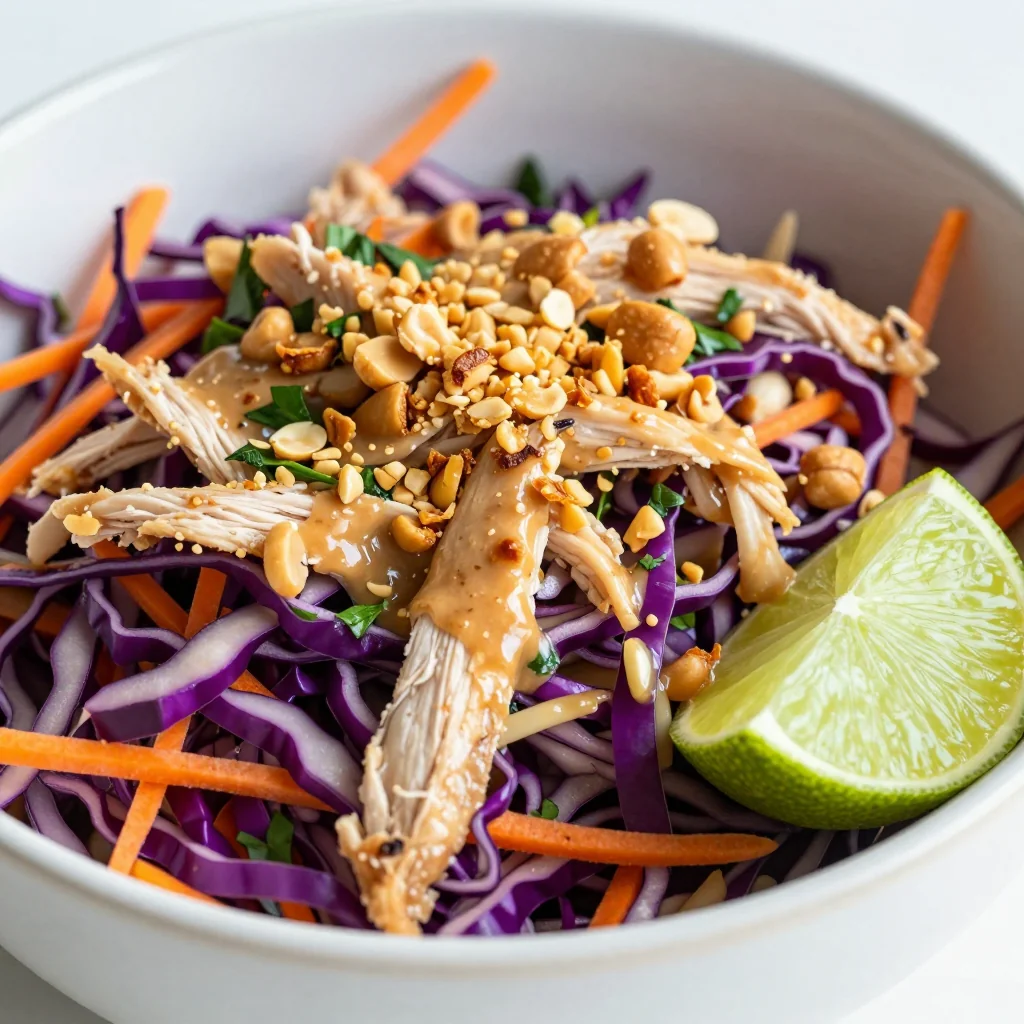
Picture this: I was standing in a cramped apartment kitchen, trying to salvage a batch of undercooked rice noodles that had turned mushy, when a friend dared me to turn that disaster into a crowd‑pleasing dish. I stared at the soggy strands, the air thick with disappointment, and decided that if I could make this happen, it would become my signature recipe. The moment I added a splash of lime and a pinch of chili, the kitchen filled with a bright, tangy aroma that made me forget the mess. That instant sparked a mission: create a noodle salad that feels like a festival on a plate, not a kitchen mishap. I was determined to turn that fumble into flavor.
The first bite is a symphony of textures—crisp carrots that snap like fresh glass, cucumber ribbons that provide a cool, watery bite, and silky noodles that glide beneath the tongue. The dressing, a silky blend of peanut butter, soy, and sriracha, coats every strand with a velvety richness that melts into a subtle heat. The finish is brightened by a burst of lime that cuts through the richness, and a sprinkle of toasted peanuts adds a satisfying crunch. The aroma is a harmonious blend of sweet, salty, and spicy notes that dance around the room. Even the visual appeal is a rainbow of colors that makes the dish look as good as it tastes.
What makes this version stand out is that it balances the heat, sweetness, and acidity in a way that most noodle salads miss. The peanut base gives it a creamy depth that is both comforting and exotic, while the fresh vegetables keep it light and refreshing. I’ve refined the ratio of sauce to noodle to avoid the common pitfall of a soggy mess. The result is a salad that holds its shape, delivers a punch of flavor, and can be served as a main or an appetizer. It’s a dish that can be made in minutes, yet feels like a gourmet creation.
One of the secret weapons is a quick blanching technique that locks in the crunch of the veggies without overcooking them. I’ll also reveal a little trick for making the peanut sauce silky without a blender—just a splash of warm water does the job. If you’re ready to turn a kitchen mishap into a masterpiece, let me walk you through every single step. By the end, you’ll wonder how you ever made it any other way.
What Makes This Version Stand Out
- Taste Harmony: The sauce layers sweetness from honey, umami from soy and fish sauce, and heat from sriracha, creating a balanced profile that never overwhelms.
- Texture Contrast: Crunchy carrots and cucumber meet silky noodles, while toasted peanuts add a satisfying bite that keeps the palate engaged.
- Freshness Factor: Fresh herbs and lime juice lift the dish, ensuring it feels bright and not heavy.
- Easy Prep: Every step takes less than five minutes, and no special equipment is required—perfect for a weekday lunch or a quick gathering.
- Crowd‑Pleaser: The bold flavors and vibrant colors make it an instant hit at parties, and it can be served chilled or at room temperature.
- Nutrient Boost: Packed with veggies, protein from peanuts, and healthy fats from sesame oil, it’s a balanced meal that satisfies.
- Make‑Ahead Friendly: The salad keeps well for up to 24 hours, and the dressing can be prepared days in advance.
- Global Inspiration: It fuses Thai, Vietnamese, and Filipino flavors into a single, cohesive dish that feels both exotic and familiar.
Inside the Ingredient List
The Flavor Base
Peanut Butter: The core of the sauce, it provides a creamy, nutty foundation that balances the sharpness of soy and fish sauce. If you’re allergic or simply dislike peanuts, a smooth almond or cashew butter works well, though the flavor profile will shift slightly toward a milder sweetness. The key is using a natural, unsweetened variety to avoid excess sugar.
Hoison Sauce: This thick, sweet condiment adds depth and a hint of caramelization. If you can’t find hoisin, a splash of hoisin‑style sauce or even a mix of soy sauce and a touch of brown sugar will suffice, but the signature umami will be muted.
Sriracha: The heat comes from this iconic Thai chili paste. For a milder kick, use half the amount or replace it with red pepper flakes. The visual color of the sauce also adds a vibrant hue that makes the dish pop.
The Texture Crew
Rice Noodles: The backbone of the dish, they should be cooked al dente so they don’t become mushy when tossed with the dressing. If you prefer a gluten‑free option, use rice noodle sheets or spiralized zucchini; just keep the cooking time short to preserve crunch.
Carrots & Cucumber: Shredded or julienned, these veggies provide a bright crunch that contrasts with the soft noodles. For a sweeter bite, grate carrots into fine ribbons; for a more robust bite, slice them into thin half‑moon shapes.
Bean Sprouts: They add a light, airy texture and a subtle nutty flavor that complements the peanut sauce. If you’re not a fan of sprouts, replace them with sliced bell pepper or snow peas for a different crunch.
The Unexpected Star
Roasted Peanuts: The final crunch that ties everything together. Toast them until golden for a deeper flavor, then roughly chop. If you’re looking for a nutless version, sunflower seeds or pumpkin seeds work nicely, though the taste will differ.
The Final Flourish
Lime Juice & Fresh Herbs: The citrus brightens the dish, cutting through the richness, while cilantro and scallions bring a fresh, herbal note that lifts the entire flavor profile. A pinch of chili flakes can add an extra layer of heat if you like.
Seasoning: Salt and pepper are essential for balancing flavors. Be cautious not to over-salt; the fish sauce already contributes significant saltiness.
Everything's prepped? Good. Let's get into the real action.
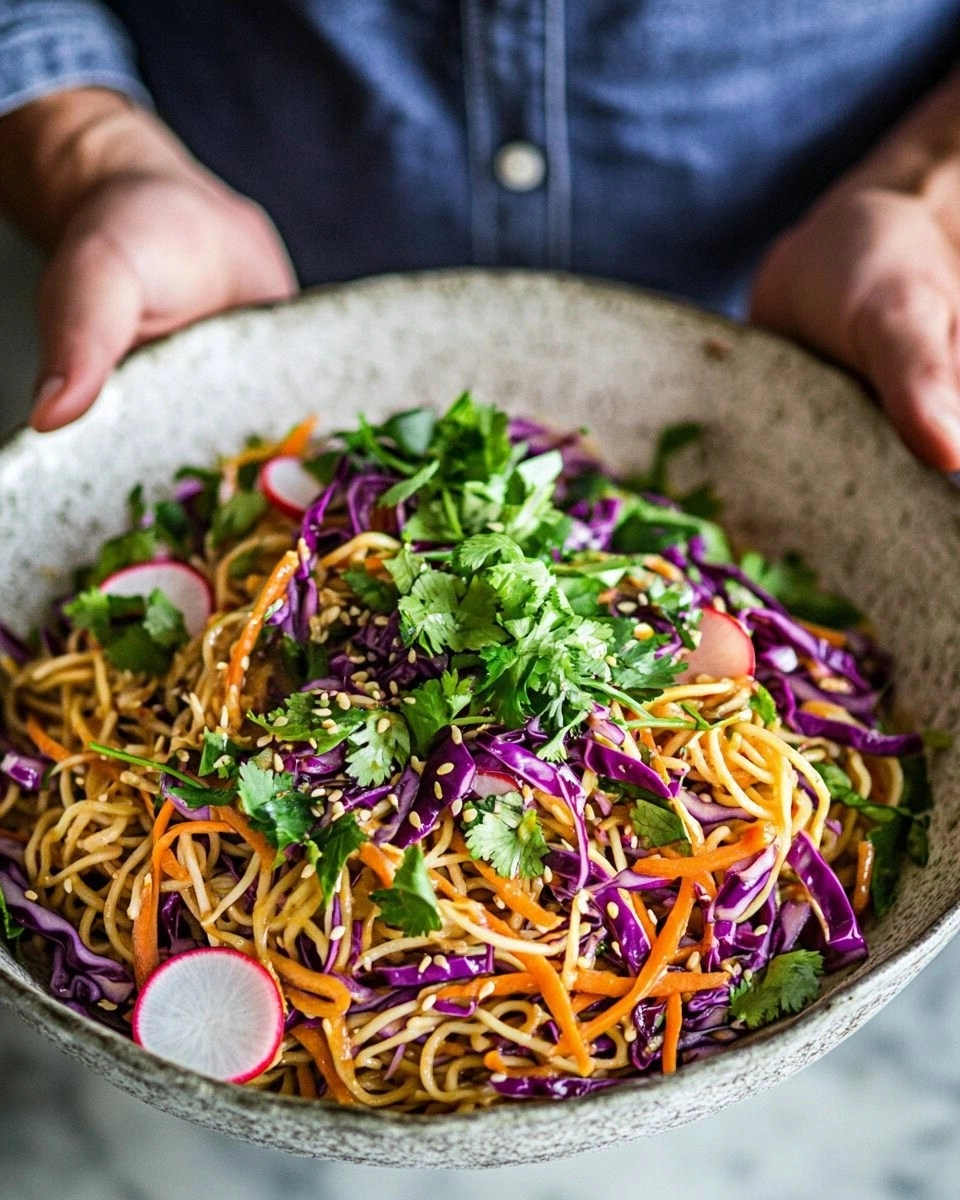
The Method — Step by Step
- Cook the noodles: Bring a large pot of salted water to a rolling boil. Add the rice noodles and cook for 3–4 minutes until they’re just tender. Drain immediately and rinse under cold water to halt the cooking process. Toss with a teaspoon of sesame oil to prevent sticking. This quick blanching step locks in the noodles’ natural chewiness, ensuring they stay firm when tossed with the dressing.
- Prep the vegetables: While the noodles cool, slice carrots into thin ribbons, cucumber into half‑moon shapes, and bean sprouts into small clusters. Thinly slice scallions and roughly chop cilantro. Toss all veggies in a bowl with a pinch of salt and a splash of rice vinegar; this quick pickling step brightens their flavors and gives them a subtle tang.
- Make the dressing: In a bowl, combine peanut butter, soy sauce, fish sauce, hoisin sauce, sriracha, honey, sesame oil, minced garlic, grated ginger, and a pinch of chili flakes. Whisk until smooth. If the mixture is too thick, whisk in a tablespoon of warm water at a time until it reaches a silky consistency. The warm water helps the peanut butter emulsify without needing a blender.
- Toss the noodles: Add the cooled noodles to the dressing and toss until each strand is evenly coated. The noodles should feel glossy and lightly coated, not drenched. This step is where the flavors meld; the heat of the dressing will slightly caramelize the noodles, giving them a subtle sheen.
- Add the veggies: Gently fold in the prepared vegetables, ensuring they’re evenly distributed. The crunch should be preserved, so avoid over‑mixing. The lime juice is added now to brighten the dish and add a citrusy zing that balances the richness of the peanut sauce.
- Watch out for over‑tossing: It’s easy to over‑toss the salad and break up the noodles. Gently fold the ingredients until just combined. Over‑tossing can cause the noodles to become mushy and the dressing to clump together.
- Finish with garnish: Sprinkle roasted peanuts, chopped cilantro, and scallions on top. Add a final squeeze of lime juice for brightness. If you like a little heat, scatter a few extra chili flakes. The final garnish should be vibrant and fragrant.
- Serve immediately: This salad is best enjoyed fresh, but it can be served chilled as well. If you’re preparing it for a potluck, keep the dressing separate and toss just before serving to maintain the crunch.
That's it—you did it. But hold on, I've got a few more tricks that'll take this to another level. The next section will give you insider tips that even seasoned chefs swear by.
Insider Tricks for Flawless Results
The Temperature Rule Nobody Follows
The noodles must be cooled to room temperature before you add the dressing. If they’re still warm, the heat will steam the sauce and cause the peanuts to clump. A quick rinse in ice water stops the cooking instantly. I’ve seen people forget this step and end up with a soggy salad that looks like a noodle soup.
Why Your Nose Knows Best
Before you start mixing, sniff the dressing. It should smell sweet, umami, and slightly spicy. If the aroma feels off, it’s a sign that the soy sauce is too salty or the peanut butter is rancid. Trusting your nose saves you from a disastrous flavor profile.
The 5‑Minute Rest That Changes Everything
After tossing the noodles and vegetables, let the salad sit for five minutes before serving. This brief rest allows the flavors to mingle and the dressing to settle. It also gives the noodles time to absorb a bit of the sauce, creating a more cohesive bite.
Use Fresh Herbs, Not Dried
Fresh cilantro and scallions bring bright, green notes that dried herbs cannot replicate. If you’re in a pinch, substitute with basil or mint, but the flavor will shift toward a sweeter, aromatic profile. Fresh herbs also add a visual pop of color.
Keep the Peanuts Toasted
Toast the peanuts until they’re just golden. This enhances their flavor and gives them a satisfying crunch. If you skip this step, the peanuts will be bland and the salad will lack that essential textural contrast.
Serve With a Side of Pickled Vegetables
Pair the salad with quick pickled daikon or cucumber for an extra layer of acidity. The pickled crunch will complement the fresh vegetables and keep the palate refreshed. It’s a simple addition that elevates the dish from good to unforgettable.
Creative Twists and Variations
This recipe is a playground. Here are some of my favorite ways to switch things up:
Protein Power
Add grilled shrimp or tofu cubes for a protein boost. The shrimp’s sweet, briny flavor pairs beautifully with the peanut sauce, while tofu absorbs the dressing and offers a creamy texture. Serve it with a side of steamed broccoli for a balanced meal.
Spicy Thai Twist
Replace hoisin sauce with sweet chili sauce and add fresh Thai basil leaves. The dish will take on a distinctly Thai flavor profile, with a brighter, sweeter heat. It’s perfect for a summer picnic.
Vegan Version
Omit the fish sauce and replace it with extra soy sauce or tamari. Add a splash of nutritional yeast for depth. The dish remains creamy and flavorful, and it’s completely plant‑based.
Miso‑Infused Delight
Stir a teaspoon of white miso paste into the dressing for a subtle umami boost. Miso also adds a slightly nutty undertone that complements the peanut butter. This variation works well with a side of sautéed kale.
Citrus Explosion
Swap lime juice for yuzu or blood orange juice for a unique citrus twist. The floral notes of yuzu or the sweet‑tart flavor of blood orange will elevate the dish’s brightness. Pair with grilled fish for a Mediterranean vibe.
Gluten‑Free Upgrade
Use quinoa or buckwheat noodles instead of rice noodles. The nutty flavor of quinoa adds depth, while buckwheat offers a slightly earthy bite. Adjust the cooking time accordingly to keep the noodles al dente.
Storing and Bringing It Back to Life
Fridge Storage
Store the salad in an airtight container for up to 24 hours. Keep the dressing separate until you’re ready to serve to preserve the crunch of the noodles and vegetables. The sauce will thicken slightly in the fridge, so stir well before serving.
Freezer Friendly
The salad can be frozen for up to 48 hours. Separate the dressing and noodles, then freeze the noodles and veggies together. When ready to serve, thaw in the refrigerator and toss with the dressing. The texture may soften slightly, but the flavor remains intact.
Best Reheating Method
If you need to warm the salad, gently steam the noodles in a steamer basket for 2–3 minutes. Add a splash of water to the dressing to re‑emulsify the peanut butter. This method keeps the noodles from becoming mushy and preserves the sauce’s silky texture.