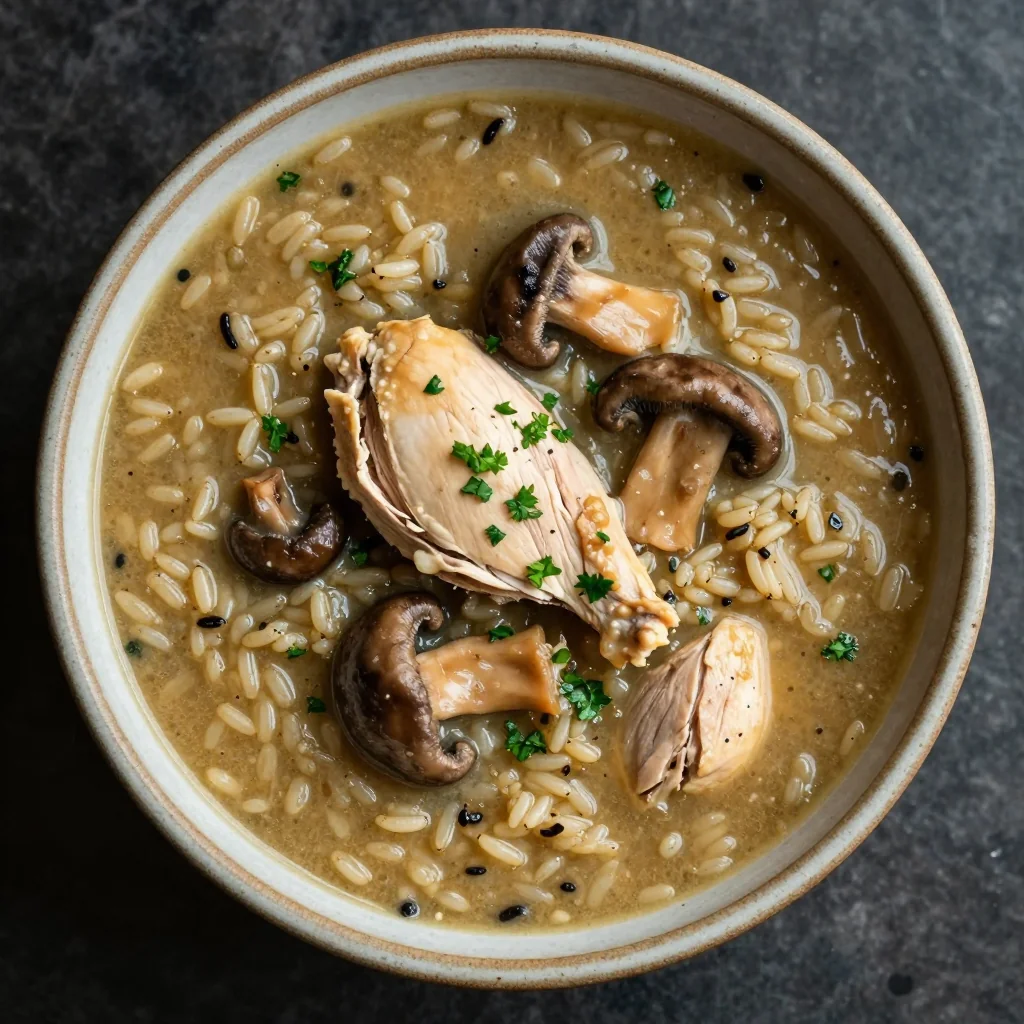
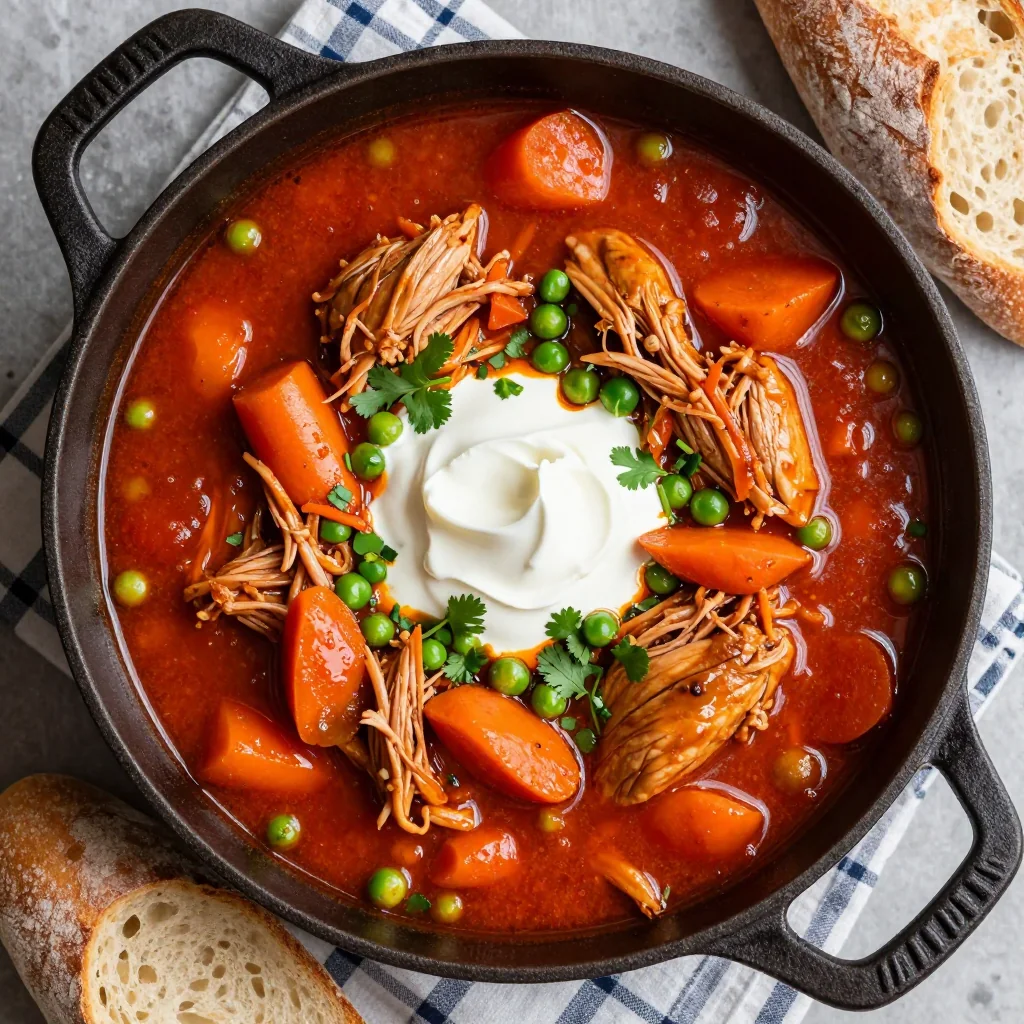
I was in a frantic kitchen, the clock ticking, a half‑cooked pot of chicken on the stove, and a craving for something that would calm my nerves and my joints at the same time. That night, I thought, “Why not combine the golden glow of turmeric with the comforting embrace of a chicken broth?” The result is a soup that feels like a warm hug in a bowl, with a subtle heat that whispers, not shouts. I’ve spent months tweaking the ratios, adding a splash of brown rice for heartiness, and finding the perfect balance of spices that keep the dish anti‑inflammatory without compromising flavor. This version is hands down the best you’ll ever make at home, and I dare you to taste it and not go back for seconds.
Picture yourself pulling this pot from the stove, the kitchen filling with a fragrant, earthy aroma that makes you feel instantly grounded. The golden broth glistens with a hint of turmeric, the vegetables are tender yet retain a satisfying bite, and the chicken pieces are moist and juicy. The rice is fluffy, soaking up the savory liquid like a sponge, while the fresh herbs add a burst of color and a pop of freshness that lifts the whole dish. I’ve been told that this soup is the perfect comfort food for winter evenings, but it’s actually a year‑round staple that can brighten any day. And if you’re worried about the time, the prep is quick, the cooking is simple, and the payoff is a meal that feels both luxurious and wholesome.
What sets this recipe apart is the meticulous layering of flavors and textures, the strategic use of spices that activate the anti‑inflammatory properties of turmeric, and the inclusion of brown rice for a satisfying, fiber‑rich base. The broth is simmered just enough to develop depth but not so long that the vegetables lose their crispness. The ginger and black pepper work in tandem to unlock curcumin’s potency, giving you a dish that’s as functional as it is delicious. And let’s not forget the final flourish: a sprinkle of parsley or cilantro that adds a bright, herbal finish that cuts through the richness. I’ve tested this soup with friends who are skeptical of turmeric, and they’re now convinced that this is the most approachable, tasty way to get their daily dose of anti‑inflammatory goodness.
I’ll be honest — I ate half the batch before anyone else got to try it, and the second helping was so good that I had to remind myself to stay on track. The next time you’re in the kitchen, imagine the sizzle of onions hitting hot oil, the aroma of garlic and ginger filling the air, and the gentle simmer of broth that promises comfort. If you’ve ever struggled with making a soup that’s both healthy and satisfying, you’re not alone — and I’ve got the fix. Let me walk you through every single step — by the end, you’ll wonder how you ever made it any other way.
What Makes This Version Stand Out
- Flavor Depth: The combination of onion, leek, and carrot creates a savory base that’s richer than a plain chicken broth. This layered flavor profile means you never need to add extra salt to compensate.
- Anti‑Inflammatory Power: Turmeric and ginger are front‑and‑center, and the black pepper activates curcumin, making every spoonful a therapeutic treat.
- Texture Variety: The crunch of celery, the chew of rice, and the tender chicken create a symphony of textures that keep each bite interesting.
- Time Efficiency: With a prep time of just 15 minutes and a cook time of 30 minutes, this soup is perfect for busy weeknights.
- Make‑Ahead Friendly: The soup can be stored in the fridge for up to 3 days or frozen for up to 2 months, making it a reliable meal prep option.
- Versatility: Swap in different proteins or grains and you’ll have a new dish in minutes.
Alright, let's break down exactly what goes into this masterpiece...
Inside the Ingredient List
The Flavor Base
Olive oil is the first thing you’ll heat, and it’s the canvas that holds all the aromatic vegetables together. The medium yellow onion adds sweetness that caramelizes slightly, while the white and light green parts of the leek bring a subtle oniony note that’s less sharp. Garlic, minced to release its oils, gives depth and a comforting aroma that lingers in the broth. If you skip any of these, the soup will feel flat and missing that essential warmth.
The Texture Crew
Carrots and celery are sliced thinly so they cook quickly and maintain a pleasant bite. Their natural sugars caramelize, creating a subtle sweetness that balances the earthiness of turmeric. Brown rice is the backbone of the dish; it absorbs the broth, adds a nutty flavor, and keeps the soup from feeling too watery. Rinsing the rice until the water runs clear removes excess starch, preventing a gummy texture.
The Unexpected Star
Fresh grated ginger is a game‑changer. It’s not just for flavor; it boosts the anti‑inflammatory properties of turmeric. The heat from the ginger is mild, so it doesn’t overpower the dish but adds a bright, zesty kick. If you’re missing fresh ginger, a small pinch of ground ginger can work, but it won’t have the same aroma.
The Final Flourish
Ground turmeric is the star that gives the soup its golden hue and potent health benefits. Black pepper is essential because it increases the absorption of curcumin. Fresh parsley or cilantro is added at the end for a burst of color and a fresh herbal note that cuts through the richness. Salt is added to taste, allowing you to control the sodium content, especially if you’re using low‑sodium broth.
Everything's prepped? Good. Let's get into the real action...

The Method — Step by Step
- Heat the olive oil in a large pot over medium heat. Add the diced onion and sliced leek, cooking until they’re translucent and just beginning to brown—about 5 minutes. The aroma should be sweet and inviting, setting the stage for the rest of the soup.
- Stir in the minced garlic and grated ginger, letting them sizzle for 30 seconds. Don’t let them burn; you want their oils released without bitterness. This is the moment of truth—if you hear a harsh pop, you’re in trouble.
- Add the sliced carrots and celery, stirring to coat them in the aromatic base. Cook for another 3 minutes, allowing the vegetables to soften slightly while keeping their bright color.
- Season the mixture with ground turmeric, black pepper, and a pinch of salt. Stir vigorously so the spices distribute evenly; the broth should take on a warm golden hue.
- Introduce the chicken pieces, stirring to coat them in the spice‑laden vegetables. Cook until the chicken changes from pink to opaque—about 5 minutes.
- Pour in the low‑sodium chicken broth and one cup of water, then bring the mixture to a gentle boil. Reduce the heat to low, cover, and let it simmer for 20 minutes, allowing the flavors to meld.
- Add the rinsed brown rice, stir, and continue simmering for an additional 10 minutes. The rice should absorb the broth and become tender, creating a hearty, filling base.
- Taste the soup and adjust seasoning as needed—add more salt or pepper if the flavors feel muted. Then, remove the pot from heat and let it rest for 5 minutes; this resting period helps the flavors settle.
- Serve hot, garnishing with fresh parsley or cilantro. The green herbs add a pop of color and a fresh contrast that lifts the entire dish.
That's it — you did it. But hold on, I've got a few more tricks that'll take this to another level...
Insider Tricks for Flawless Results
The Temperature Rule Nobody Follows
Many people start simmering at high heat, which can cause the broth to become cloudy and the vegetables to overcook. Instead, bring the liquid to a gentle simmer and then reduce to low. This slow cooking unlocks deeper flavors without sacrificing texture.
Why Your Nose Knows Best
Your sense of smell is the first indicator of a well‑seasoned broth. If the aroma is bright and layered, you’re on the right track. If it feels flat, add a bit more pepper or a splash of lemon juice to brighten it up.
The 5-Minute Rest That Changes Everything
After you remove the pot from heat, let the soup sit covered for five minutes. This brief rest allows the spices to fully infuse the liquid, resulting in a more cohesive flavor profile.
The “Just Right” Broth Consistency
If you prefer a thicker soup, reduce the broth by half before adding the rice. Conversely, if you want a lighter broth, add a bit more water or broth. Adjusting the liquid ratio gives you full control over the final texture.
The “No‑Mess” Sauté Trick
When sautéing aromatics, keep a splatter screen handy. This prevents hot oil from splattering onto the stove, saving you from a greasy cleanup and protecting your kitchen from accidental burns.
Creative Twists and Variations
This recipe is a playground. Here are some of my favorite ways to switch things up:
Coconut Cream Swirl
Replace half the water with coconut milk for a creamy, tropical twist. The coconut adds a subtle sweetness that complements the turmeric’s earthiness.
Spicy Sriracha Kick
Stir in a tablespoon of sriracha for a spicy, umami punch. The heat pairs well with the mildness of the vegetables and the warmth of the spices.
Mushroom Medley
Add sliced shiitake or cremini mushrooms during the sauté stage. They bring a meaty umami flavor that deepens the broth’s complexity.
Quinoa Upgrade
Swap out brown rice for quinoa for a protein boost and a slightly nutty taste. Cook the quinoa in the broth for a fully integrated flavor.
Mediterranean Flair
Include a handful of chopped olives and capers during the simmer. The briny notes create a Mediterranean vibe that’s both bold and comforting.
Vegetarian Version
Omit the chicken and add tofu cubes or chickpeas. This version maintains the anti‑inflammatory benefits while offering a plant‑based protein source.
Storing and Bringing It Back to Life
Fridge Storage
Cool the soup completely before transferring it to an airtight container. Store it in the refrigerator for up to 3 days. The flavors will continue to develop, making each day a new experience.
Freezer Friendly
For longer storage, freeze the soup in portioned containers for up to 2 months. Thaw overnight in the refrigerator or use the defrost setting on your microwave.
Best Reheating Method
Reheat the soup on low heat, adding a splash of water or broth to restore its original consistency. Stir frequently to prevent sticking, and bring it back to a gentle simmer before serving.