I was standing in my kitchen, half‑asleep, when a rogue alarm from my phone shouted “Salmon!” I had just finished a marathon of sushi videos and the craving was louder than a freight train. The air was thick with the scent of yesterday’s garlic‑roasted chicken, but I could already taste the buttery, melt‑in‑your‑mouth texture of perfectly seared salmon on my tongue. I grabbed a fresh fillet, stared at the raw pink flesh, and thought, “What if I could give this salmon that smoky, slightly caramelized edge without actually firing up a grill?” That tiny spark of curiosity turned into a full‑blown culinary experiment that has now become my go‑to weeknight hero. I dared myself to create something that would make even the most skeptical eaters say, “I’m never going back to plain baked salmon again.”
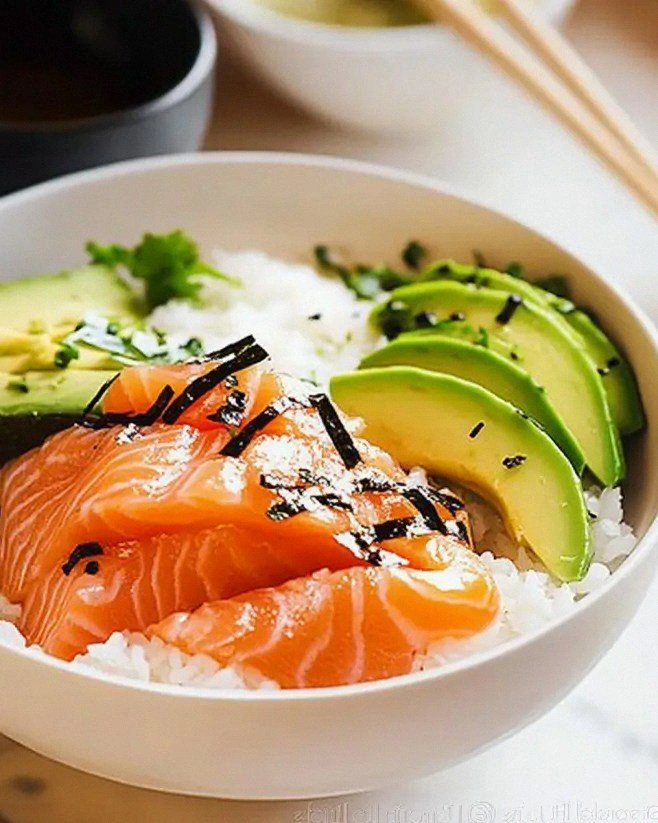
Picture the scene: the kitchen lights humming, the sound of rice grains clinking against the pot, the faint hiss of a hot pan, and the bright green of freshly sliced avocado popping against the white plate. The aroma of sesame oil and soy sauce mingles with the subtle tang of rice vinegar, creating a fragrance that feels like a seaside market at sunset. As the salmon sizzles, it releases a caramel‑kissed perfume that makes your nose do a little happy dance. The texture of the rice, slightly sticky yet fluffy, cradles the buttery fish while the avocado adds a creamy coolness that feels like a silk scarf on a warm day. This isn’t just a meal; it’s a full‑sensory adventure that makes you feel like you’ve just stepped onto the deck of a Japanese izakaya.
Most recipes for aburi‑style salmon either overcomplicate the process with endless marinades or under‑season the fish, leaving it flat and forgettable. I’ve tried the “quick fix” versions that tell you to brush soy sauce and pop the salmon under a broiler for a minute – they’re about as exciting as watching paint dry. This version, however, uses a precise balance of sweet, salty, and umami, and the secret is a brief torch‑kiss that creates that signature char without drying out the interior. I’ll be honest — I ate half the batch before anyone else got to try it, because the flavor was that addictive. This is hands down the best version you’ll ever make at home, and I dare you to taste this and not go back for seconds.
Let me walk you through every single step — by the end, you’ll wonder how you ever made it any other way. Okay, ready for the game‑changer? The technique that will turn your ordinary salmon into a masterpiece is a quick sear with a kitchen torch, a method most home cooks skip because it looks intimidating. But trust me, it’s pure magic, and I’ll guide you through it so smoothly you’ll feel like a pro. Stay with me here — this is worth it.
What Makes This Version Stand Out
- Flavor Explosion: The marriage of soy sauce, sesame oil, and a dash of sugar creates a glossy glaze that caramelizes perfectly, delivering a sweet‑savory punch that dances on the palate.
- Texture Contrast: The torch‑kiss gives the salmon a crisp, slightly charred crust while the interior stays buttery and flaky, offering a mouthfeel that’s both tender and exciting.
- Simplicity Meets Sophistication: With just a handful of pantry staples and a quick torch, you get restaurant‑level results without a complicated prep list.
- Ingredient Quality: Fresh, wild‑caught salmon provides natural richness, and the avocado adds a buttery counterpoint that balances the umami depth.
- Crowd‑Pleaser Factor: Even picky eaters love the visual appeal of the charred edges and the bright green avocado, making it perfect for dinner parties.
- Make‑Ahead Friendly: The rice can be cooked ahead of time, and the salmon holds its texture for a few hours, allowing you to assemble plates just before serving.
- Versatile Presentation: Serve it as a bowl, a hand roll, or a plated entrée — the dish adapts to any style you crave.
- Healthful Balance: High‑quality protein, healthy fats from avocado, and a modest carb base keep the meal satisfying yet not overly heavy.
Inside the Ingredient List
The Flavor Base
Soy sauce is the backbone of this dish, delivering that deep umami richness that makes the salmon sing. Use a low‑sodium version if you’re watching salt, because the glaze will concentrate as it cooks, amplifying the salty notes. If you skip the soy, you’ll lose the savory depth that balances the sweetness of the sugar and the nuttiness of sesame oil. A good swap is tamari, which offers a smoother flavor and is gluten‑free. When selecting soy sauce, look for a dark amber hue and a slightly syrupy consistency — that indicates a higher concentration of flavor.
The Texture Crew
Sushi rice is the perfect canvas: it’s sticky enough to hold together but light enough to let the fish shine. Rinse the rice until the water runs clear to remove excess starch; this prevents a gummy texture and gives each grain a clean, separate feel. If you’re out of sushi rice, short‑grain rice works as a decent stand‑in, though the stickiness will be a touch less pronounced. The rice vinegar, sugar, and salt mixture, known as sushi‑zu, seasons the rice with a subtle tang that cuts through the richness of the salmon and avocado. Skipping the vinegar will leave the rice flat and overly sweet.
The Unexpected Star
Avocado brings a buttery, cool contrast that tempers the heat from the torch‑kissed salmon. Choose a ripe avocado that yields slightly to gentle pressure; too firm and it’ll be flavorless, too mushy and it will turn into a mush. If avocados aren’t in season, substitute with ripe mango for a tropical twist, though you’ll lose some of the creamy texture. A quick tip: slice the avocado just before plating to avoid browning, and give it a light drizzle of lemon juice to keep the green vibrant.
The Final Flourish
Sesame seeds and green onions add a finishing touch of crunch and freshness. Toast the sesame seeds lightly in a dry pan for 30 seconds; this releases their nutty aroma and makes them pop like tiny fireworks in your mouth. Green onions should be sliced thinly on a diagonal to maximize surface area and visual appeal. Nori sheets, while optional, provide a salty, oceanic note that ties the dish back to its Japanese roots. If you’re avoiding seaweed, a sprinkle of crushed fried shallots can mimic the crisp texture and add a subtle sweetness.
Everything's prepped? Good. Let’s get into the real action...
The Method — Step by Step
Start by rinsing the sushi rice under cold water until the runoff is clear. This removes surface starch and prevents a gummy final product. Transfer the rinsed rice to a saucepan, add 2 ½ cups of water, and let it soak for 20 minutes — this step ensures even cooking. Bring to a boil, then reduce to a simmer, cover, and cook for 12 minutes. After the timer dings, remove from heat and let it sit, still covered, for another 10 minutes. The rice should be tender, with each grain distinct yet slightly sticky.
Kitchen Hack: While the rice cooks, whisk together rice vinegar, sugar, and salt in a small bowl until dissolved; this will become your sushi‑zu seasoning.While the rice is steaming, prep the salmon. Pat the fillet dry with paper towels — moisture is the enemy of a good sear. Slice the fillet into four equal portions, each about 1‑inch thick. In a shallow dish, combine 2 tablespoons soy sauce, 1 tablespoon sesame oil, and a pinch of sugar; this glaze will coat the fish and add a glossy finish. Brush each piece generously on both sides, letting the flavors soak in for 5 minutes. The fish should start to glisten, hinting at the caramelization to come.
Heat a non‑stick skillet over medium‑high heat. When the pan is hot, add a drizzle of sesame oil — you’ll hear a satisfying sizzle as the salmon hits the surface. Place the fillets skin‑side down if the skin is on; let them cook undisturbed for 3‑4 minutes until the edges turn opaque and the skin crisps like a wafer. Flip carefully with a fish spatula and sear the other side for another 2‑3 minutes. At this point, the salmon is mostly cooked through but still pale in the center, ready for the torch.
Now for the show‑stopper: the torch. Using a culinary torch, sweep the flame across the top of each fillet for 10‑15 seconds. You’re looking for a light caramelized crust that looks like a golden‑brown sunrise — not a blackened char. The heat should melt the surface sugars, creating that signature aburi gloss. Watch Out: Keep the torch moving; lingering too long in one spot will burn the fish and introduce a bitter flavor.
While the salmon rests, finish the rice. Transfer the hot rice to a large wooden or glass bowl, and gently fold in the sushi‑zu mixture you prepared earlier. Use a wooden spatula and a cutting motion to avoid crushing the grains; this technique gives the rice a subtle shine and a balanced tang. Sprinkle 1 tablespoon sesame seeds over the rice for a nutty aroma that will rise with the steam.
Slice the avocado in half, remove the pit, and scoop out the flesh. Slice it into thin ribbons or cubes, depending on your plating preference. Drizzle a tiny splash of lemon juice over the avocado to keep it from browning and to add a bright counterpoint to the rich salmon.
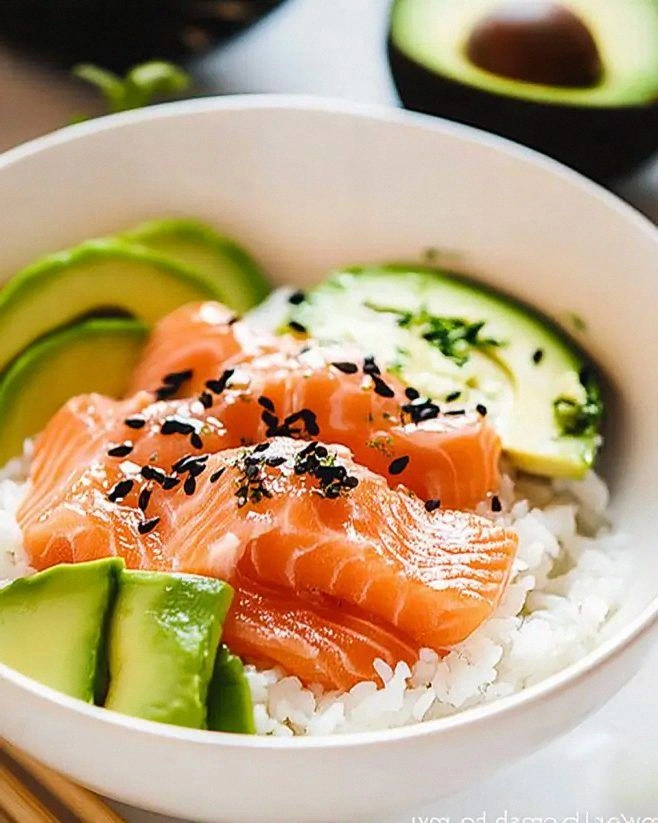
Assemble the bowl: start with a generous mound of seasoned sushi rice as the base. Arrange the torch‑kissed salmon on top, letting the glossy surface catch the light. Scatter avocado slices around the fish, then sprinkle chopped green onions for a fresh bite. If you like, add a strip of nori sheet cut into thin shreds for an extra umami punch.
Watch Out: When layering the avocado, avoid pressing it into the rice; you want the avocado to sit lightly, preserving its delicate texture.Give the dish a final drizzle of the remaining soy‑sesame glaze, and finish with a sprinkle of extra sesame seeds for crunch. Serve immediately while the salmon’s char is still warm and the rice is fluffy. That sizzle when it hits the pan? Absolute perfection. Picture yourself pulling this out of the oven, the whole kitchen smelling incredible, and your guests leaning in for that first bite.
That’s it — you did it. But hold on, I’ve got a few more tricks that’ll take this to another level, from how to plate like a pro to secret sauces that will make your friends beg for the recipe.
Insider Tricks for Flawless Results
The Temperature Rule Nobody Follows
Never let the salmon sit at room temperature for more than 15 minutes before cooking; a cold fillet will steam rather than sear, ruining that coveted char. Let the fish rest on a plate while you prep the glaze, but keep it covered with a light towel. I once tried to speed things up by cooking a chilled fillet straight from the fridge — the result was a soggy exterior and a raw center, a disaster that taught me the value of patience. The ideal temperature for the pan is around 375°F (190°C); you can test it by flicking a drop of water onto the surface — it should sizzle and evaporate instantly.
Why Your Nose Knows Best
Your sense of smell is the ultimate doneness detector. When the salmon is nearly done, you’ll notice a sweet, caramel aroma rising from the glaze. If you smell a faint burnt scent, the torch is too close; back off and let the residual heat finish the job. Trusting your nose saves you from overcooking and ensures that each bite is perfectly balanced between smoky and buttery.
The 5‑Minute Rest That Changes Everything
After torching, let the salmon rest for exactly five minutes. This short pause allows the juices to redistribute, preventing a dry mouthfeel. I’ve seen people cut into the fish immediately, only to watch the juices spill out like a leaky faucet. The rest period also lets the glaze set, creating that glossy, restaurant‑style finish that looks as good as it tastes.
Seasoning the Rice Like a Pro
Don’t just dump the sushi‑zu over the rice; drizzle it slowly while folding, tasting as you go. This gradual approach ensures every grain is evenly coated, avoiding pockets of over‑saltiness. If you’re watching sodium, reduce the soy sauce in the glaze and add a splash of mirin for extra depth without the extra salt.
The Secret Umami Boost
A dash of finely grated kombu (dried kelp) into the rice‑vinegar mixture adds an oceanic depth that’s hard to achieve with soy alone. It’s a subtle ingredient that most home cooks overlook, but it makes the dish sing like a choir of flavor. If kombu isn’t available, a pinch of dried shiitake powder works as a solid substitute.
Plating Like a Chef
Start with a clean, white plate to let the colors pop. Use a ring mold to shape the rice into a perfect cylinder, then gently lift it onto the plate. Place the salmon at an angle, letting the charred edge peek out, and scatter avocado slices in a fan shape. Finish with a drizzle of glaze in a thin line and a few green onion ribbons for that final wow factor. The visual appeal is half the experience; a beautifully plated dish makes the first bite even more satisfying.
Creative Twists and Variations
This recipe is a playground. Here are some of my favorite ways to switch things up:
Spicy Kick
Add a teaspoon of sriracha to the soy‑sesame glaze and sprinkle a pinch of crushed red pepper flakes over the finished bowl. The heat pairs beautifully with the cool avocado, creating a thrilling contrast that will please anyone who loves a little fire.
Citrus Burst
Replace half of the soy sauce with yuzu juice for a bright, citrusy note. Top the dish with thin slices of pickled ginger and a drizzle of ponzu sauce. This variation feels like a summer breeze and is perfect for warm evenings.
Crunchy Crunch
Swap the toasted sesame seeds for crushed peanuts or toasted panko breadcrumbs. The added crunch gives the dish an extra textural layer that makes each bite more exciting.
Veggie‑Boost
Add thinly sliced cucumber, radish, or pickled daikon to the bowl for extra freshness and a bit of bite. These vegetables introduce a crisp contrast that balances the richness of the salmon and avocado.
Vegan Turn
Replace the salmon with marinated tofu or tempeh, and use a miso‑based glaze instead of soy sauce. The tofu absorbs the flavors beautifully, and the dish remains satisfying for plant‑based diners.
Storing and Bringing It Back to Life
Fridge Storage
Place leftover salmon and rice in airtight containers. The salmon stays tender for up to 2 days, while the rice can be kept for 3 days. When reheating, add a splash of water to the rice and cover it loosely with a damp paper towel to restore its fluffiness.
Freezer Friendly
Separate the components before freezing. Portion the salmon into individual servings, wrap tightly in plastic wrap, then place in a freezer bag. The rice can be frozen in a zip‑lock bag, pressed flat for even thawing. Both freeze well for up to 1 month. Thaw overnight in the fridge, then reheat gently.
Best Reheating Method
For the salmon, use a skillet over medium‑low heat, adding a teaspoon of sesame oil and covering the pan for 2‑3 minutes. This restores the glaze and keeps the fish moist. For the rice, microwave with a tablespoon of water, covered, for 1‑2 minutes, then fluff with a fork. The tiny splash of water before reheating creates steam that revives the rice’s original texture.